Legacy Stories

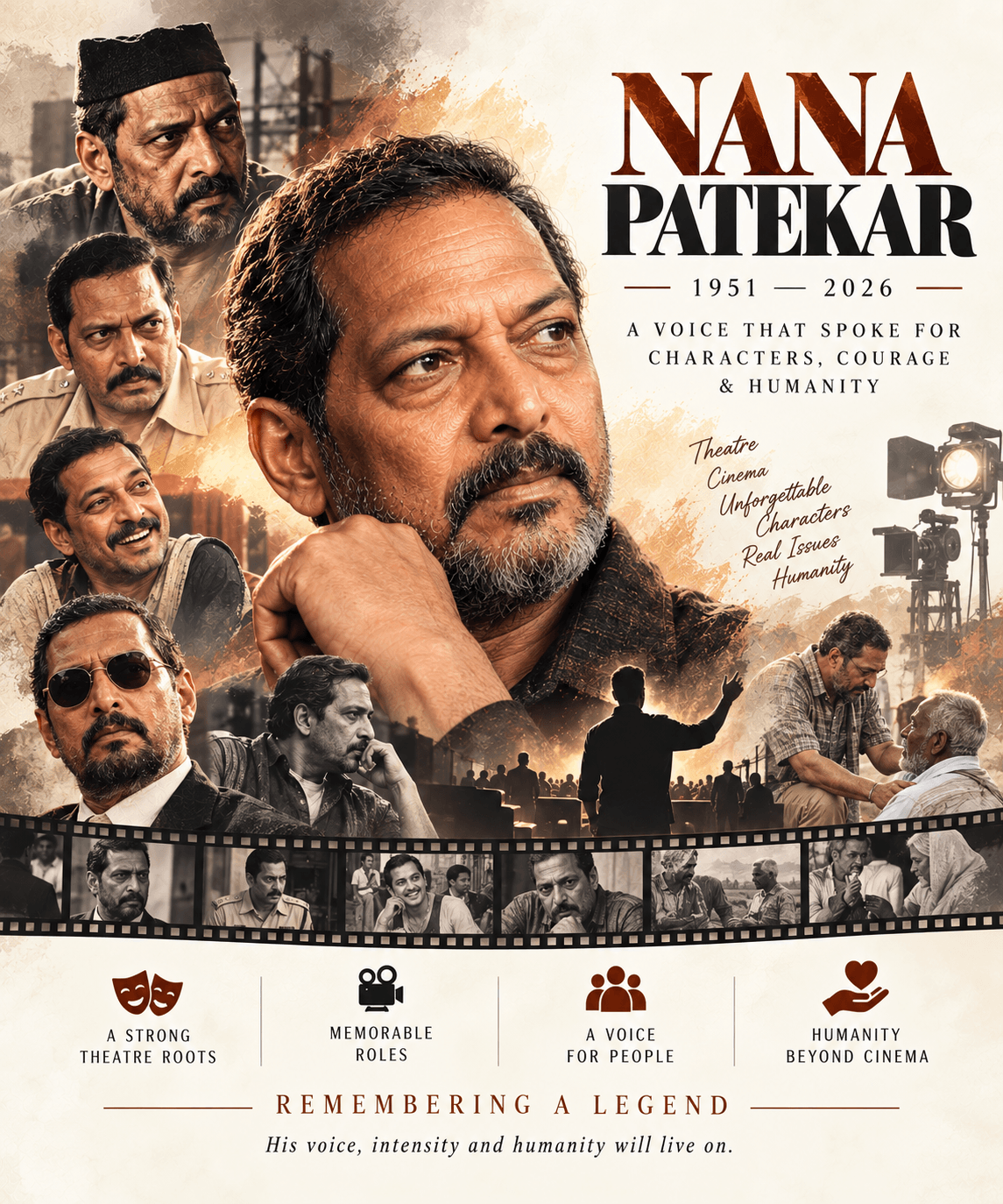
Nana Patekar: The Voice That Spoke for Characters, Courage and Humanity
Few actors in Indian cinema carried the intensity, honesty and individuality of Nana Patekar. Born Vishwanath Patekar in Murud-Janjira, Maharashtra, he rose from financial hardship and theatre to become one of India's most respected actors. From Parinda and Krantiveer to Natsamrat and Welcome, he could move effortlessly between rage, vulnerability, drama and comedy. But his greatest legacy extended beyond the screen. Through the NAAM Foundation, which he co-founded with Makarand Anaspure in 2015, Nana dedicated himself to farmers, drought-hit communities and water conservation in Maharashtra. His life became a reminder that fame matters most when it is used in service of others.
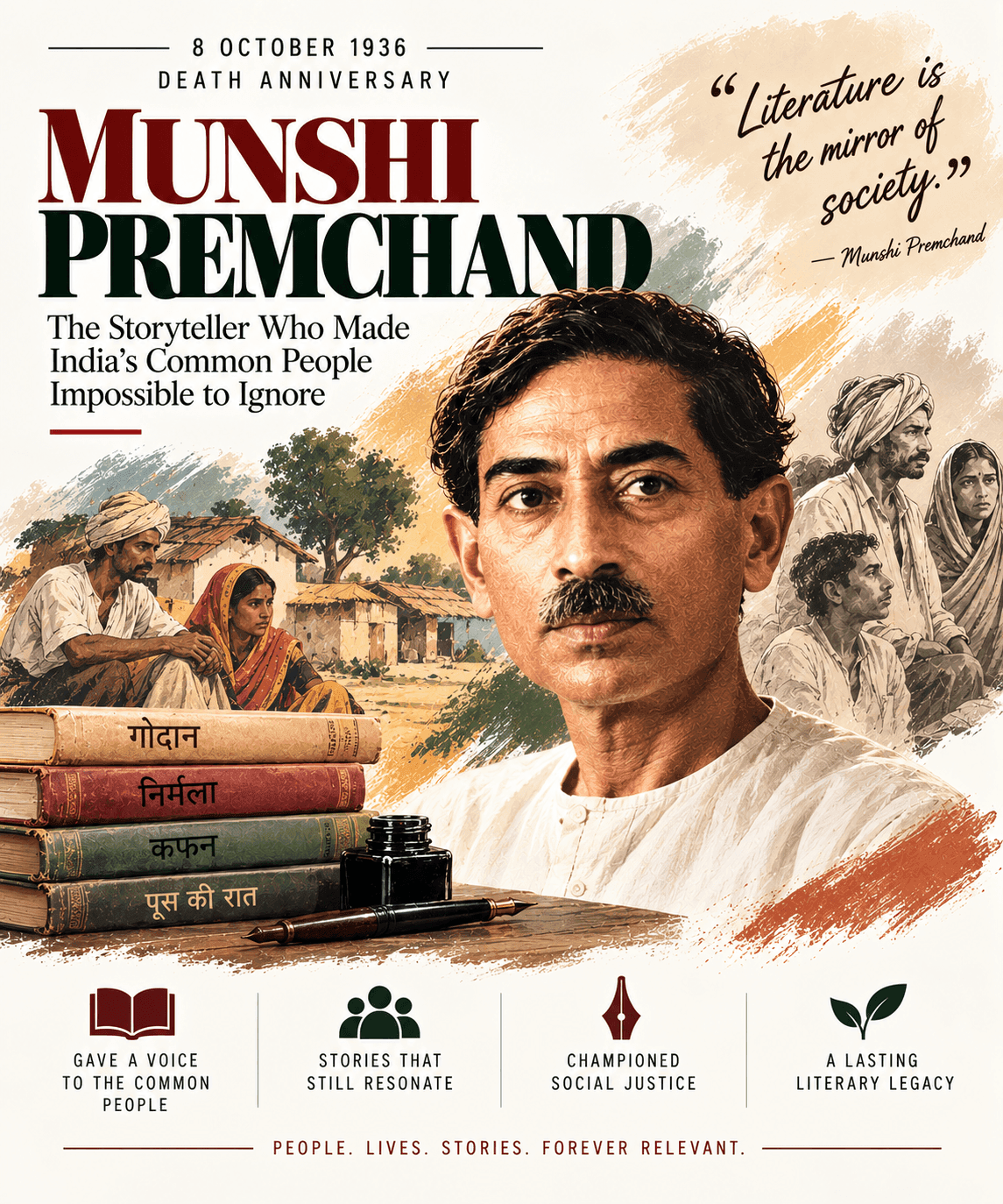
Munshi Premchand: The Storyteller Who Made India’s Common People Impossible to Ignore
What happens when a writer turns the struggles of ordinary people into unforgettable literature? Munshi Premchand answered that question through stories of farmers, workers, women, children and families caught between poverty and social injustice. Writing in both Hindi and Urdu, he gave Indian fiction a deeply human voice and brought village life into the centre of literary conversation. Born Dhanpat Rai Srivastava, he rose from modest beginnings to become one of the most influential writers in modern Indian literature. His novels and short stories continue to be read because their concerns remain familiar: debt, inequality, dignity, education and the search for a better life. Premchand died on October 8, 1936, but his characters still speak to readers across generations. This death anniversary offers an opportunity to delve into the life, work and enduring heritage of a writer who made social reality his greatest subject.
Zaheer Khan: The Left-Arm Bowler Who Gave India a New Edge in World Cricket
What happens when a young cricketer turns pace, movement and persistence into an art form? Zaheer Khan answered that question across more than a decade of international cricket. Born in Shrirampur, Maharashtra, on October 7, 1978, he became one of India's most accomplished left-arm fast bowlers and a crucial figure in the country's 2011 World Cup triumph. Zaheer brought variety to India's bowling attack through swing, seam movement, reverse swing and intelligent changes of pace. His journey from domestic cricket to the international stage reflected the changing ambitions of Indian cricket, when fast bowlers were increasingly expected to lead matches rather than merely support spin. This birth anniversary offers an opportunity to explore the career, family background and lasting influence of a cricketer whose craft inspired a generation of Indian pace bowlers.
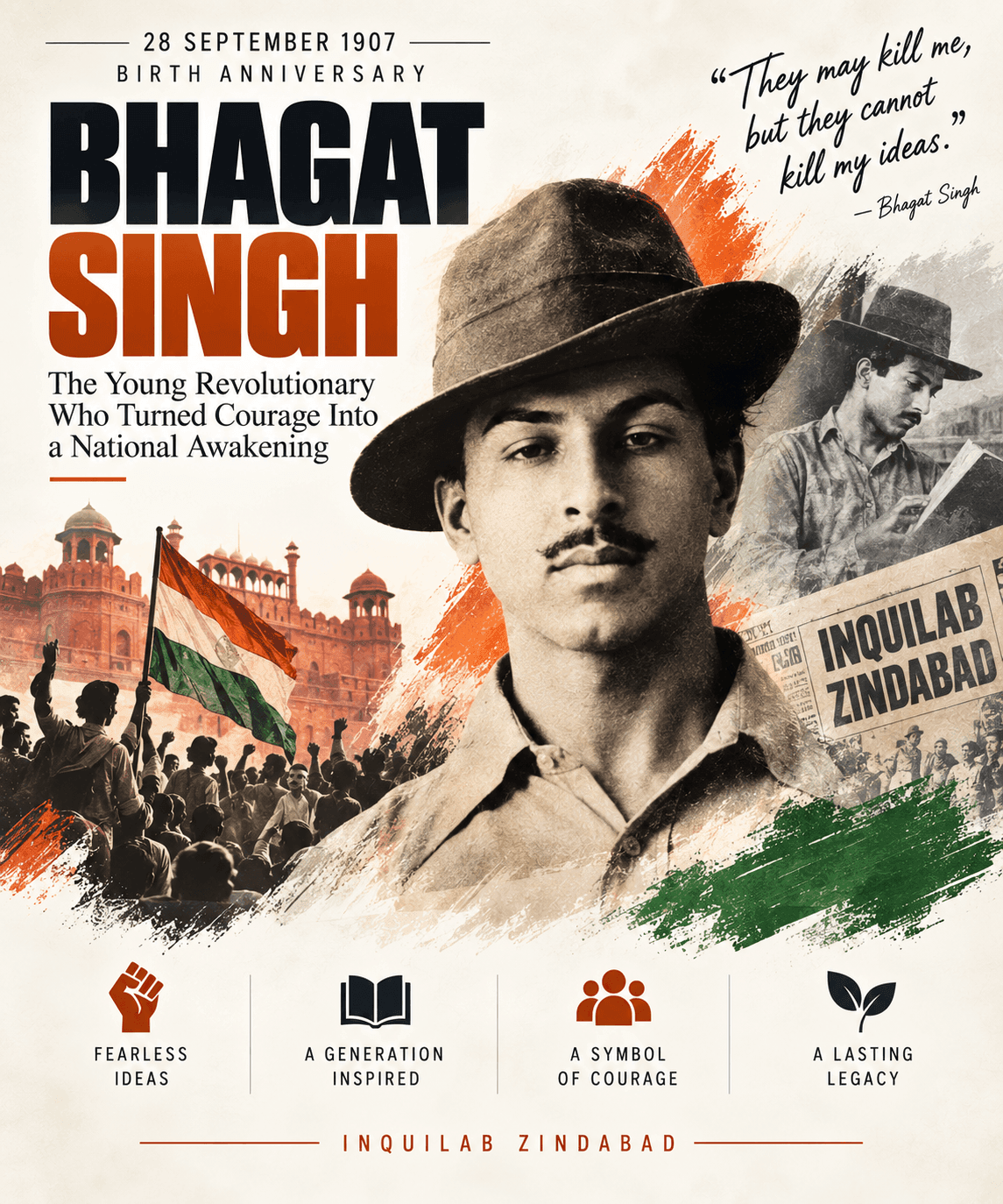
Bhagat Singh: The Young Revolutionary Who Turned Courage Into a National Awakening
What makes a young revolutionary become a lasting symbol of courage for an entire nation? Bhagat Singh answered that question through his fearless opposition to British rule, his sharp political thinking and his willingness to sacrifice his life for India's freedom. Born on September 28, 1907, he grew up in a family connected with the freedom movement and came of age during a period of intense political unrest. His actions, writings and courtroom statements made him far more than a participant in the struggle: they turned him into a powerful voice for India's youth. This birth anniversary story explores Bhagat Singh's early influences, revolutionary journey and enduring place in the country's historical memory.
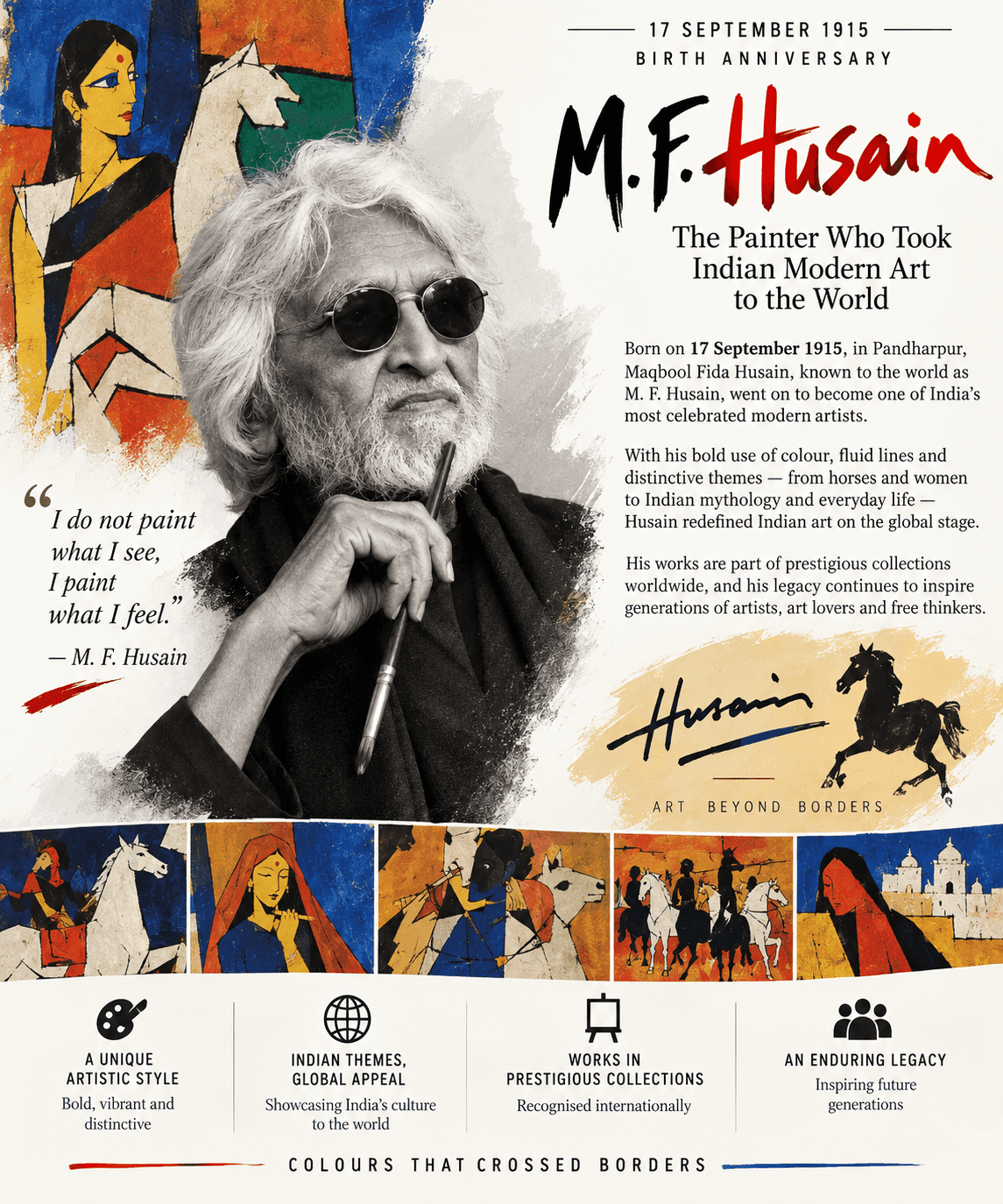
M. F. Husain: The Painter Who Took Indian Modern Art to the World
Few Indian artists turned bold lines, vivid colours and ancient cultural symbols into a language recognised across the world. M. F. Husain did exactly that, becoming one of the most influential figures in modern Indian art. Born on September 17, 1917, Maqbool Fida Husain rose from modest beginnings to create paintings that drew from Indian mythology, history, cinema and everyday life. His artistic journey also crossed into filmmaking, where he explored visual storytelling through works such as Through the Eyes of a Painter. Admired internationally and debated passionately at home, Husain remained a restless, experimental creative force throughout his career. His story opens a window into the growth of Indian modernism and the changing cultural identity of post-independence India. Delve into the life of the artist whose long brushstrokes helped place Indian art on the global map.
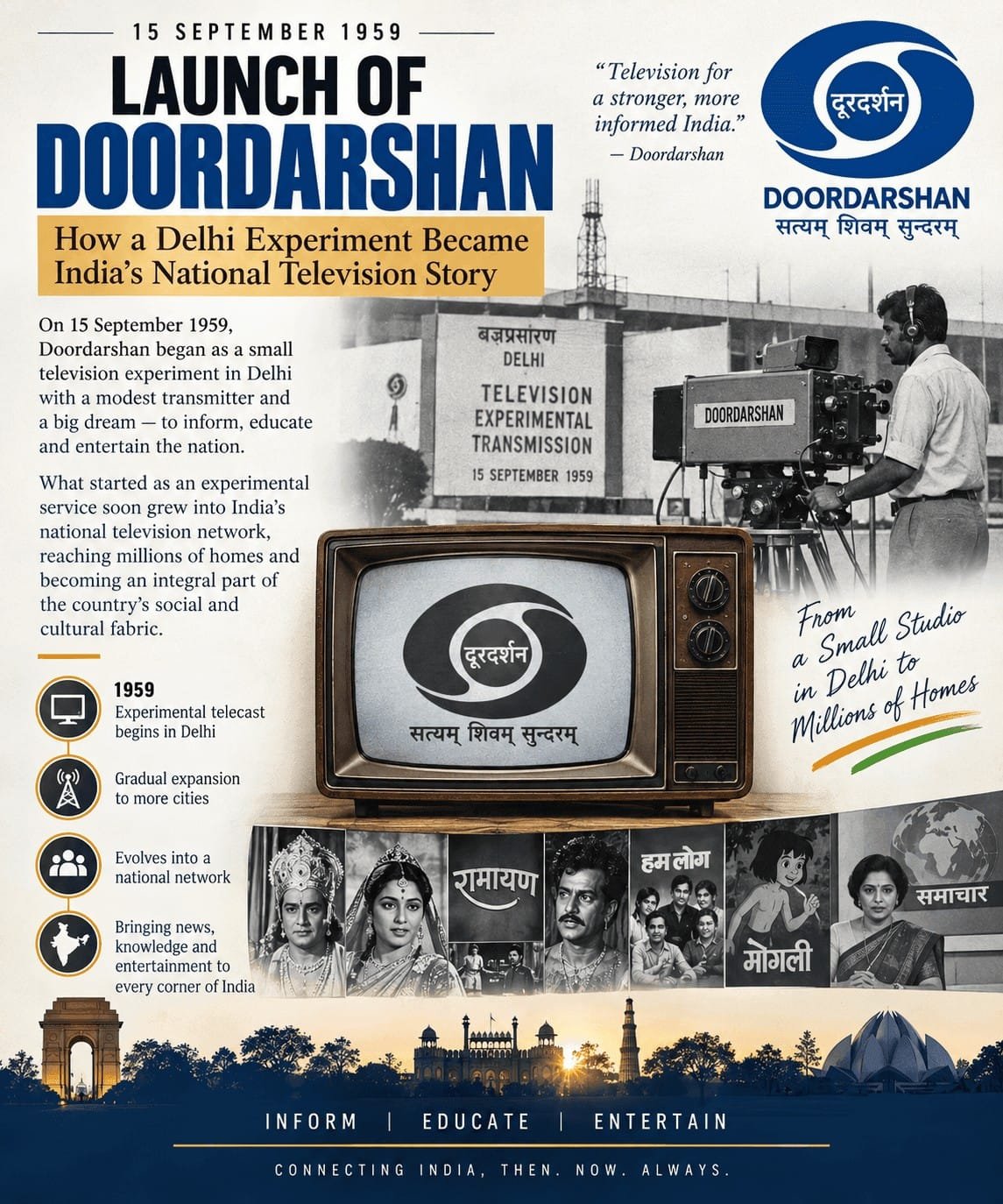
Launch of Doordarshan: How a Delhi Experiment Became India’s National Television Story
Before television became a familiar presence in Indian homes, it began as a modest experiment in Delhi. On September 15, 1959, Doordarshan started experimental television transmission, opening a new chapter in the country’s public communication and broadcasting history. The early service was limited in reach, but its significance extended far beyond the first screen images: it introduced the possibility of using television for education, information, culture and national connection. Over the decades, Doordarshan grew from a small experimental initiative into India’s national television service, becoming part of everyday family life through news, school programmes, cultural shows, sports and landmark national broadcasts. This story explores how the launch of Doordarshan reflected a young nation’s faith in technology and public service, and why that first transmission from Delhi still matters in India’s media heritage.

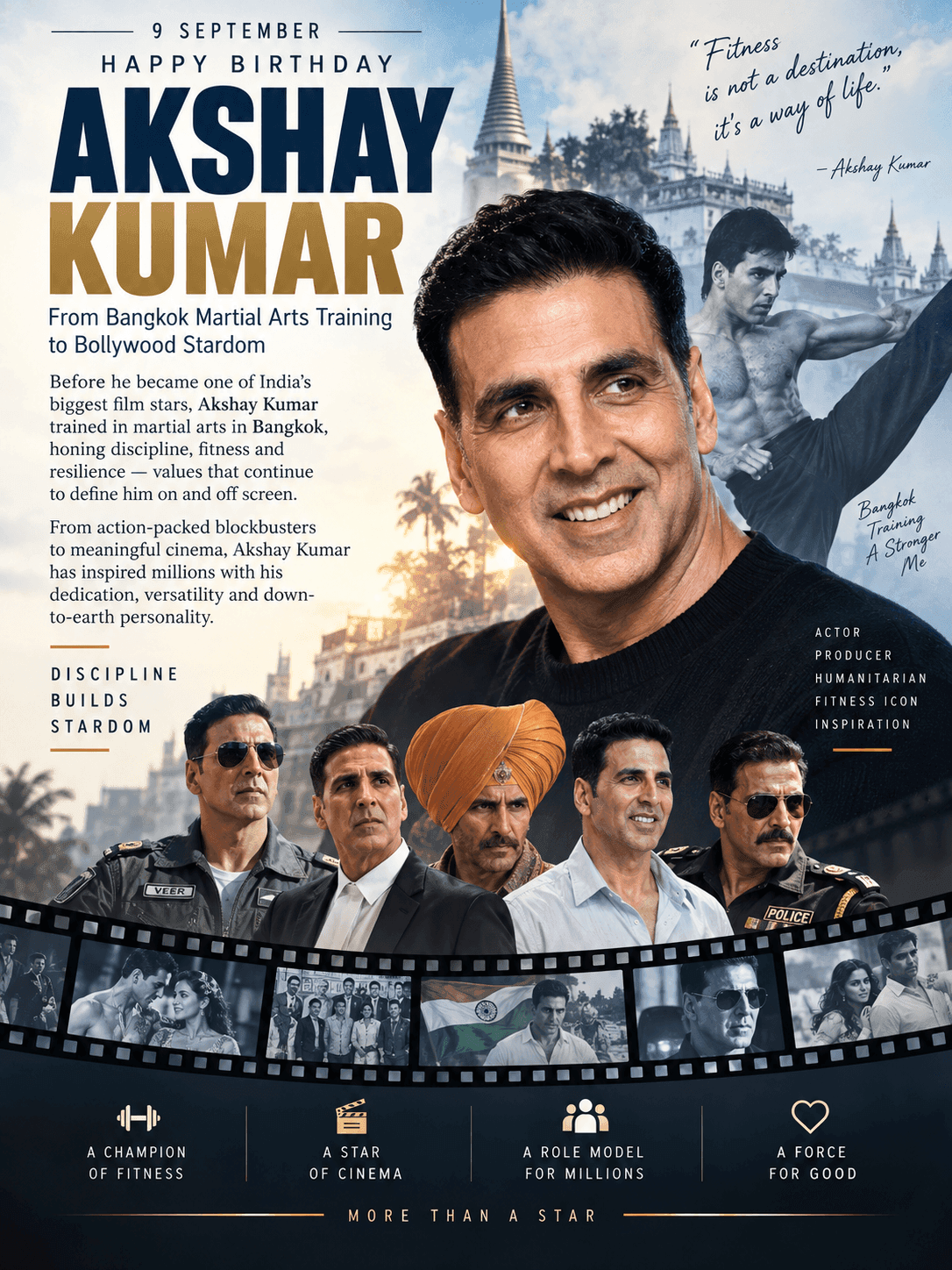
Akshay Kumar: From Bangkok Martial Arts Training to Bollywood Stardom
Before he became one of Hindi cinema’s most recognisable action heroes, Akshay Kumar spent years building discipline far from the film sets of Mumbai. His journey moved from Amritsar and Delhi to Bangkok, where he trained in martial arts and worked humble jobs before finding a path into modelling and films. Born on September 9, 1967, in Amritsar, Punjab, Kumar transformed those early experiences into a career marked by action, comedy, drama and remarkable endurance. His screen image has changed many times, yet the physical discipline and working-class determination associated with his rise remain central to his story. On his birth anniversary, his life offers an engaging look at how training, timing and persistence can reshape an entertainer’s place in Indian popular culture.
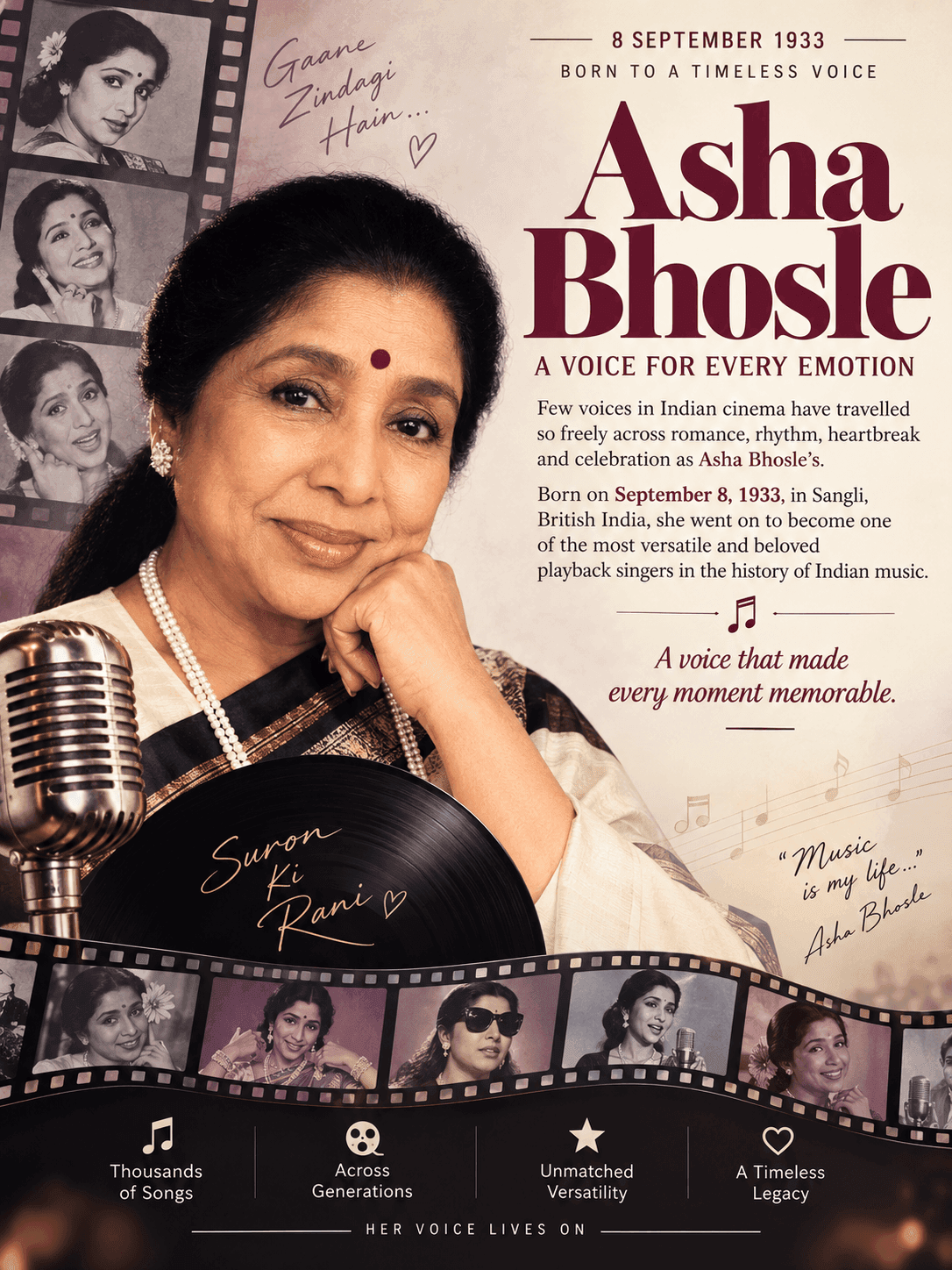
Asha Bhosle: The Voice That Gave Indian Cinema Its Boldest Musical Colours
Few voices in Indian cinema have travelled so freely across romance, rhythm, heartbreak and celebration as Asha Bhosle’s. Born on September 8, 1933, in Sangli, British India, she grew from a young singer in a distinguished musical family into one of the country’s most influential playback artists. Her career unfolded during a period when Hindi film music was rapidly changing, and she embraced that change with remarkable versatility. From lively film songs and dance numbers to ghazals, devotional music and regional compositions, Bhosle repeatedly widened the idea of what a playback singer could do. Her journey also reflects the changing soundscape of post-Independence India, where cinema became a shared cultural memory for millions of families. On her birth anniversary, her story invites us to explore not only a celebrated singing career, but also the discipline, adaptability and artistic courage behind a voice that remains instantly recognisable.
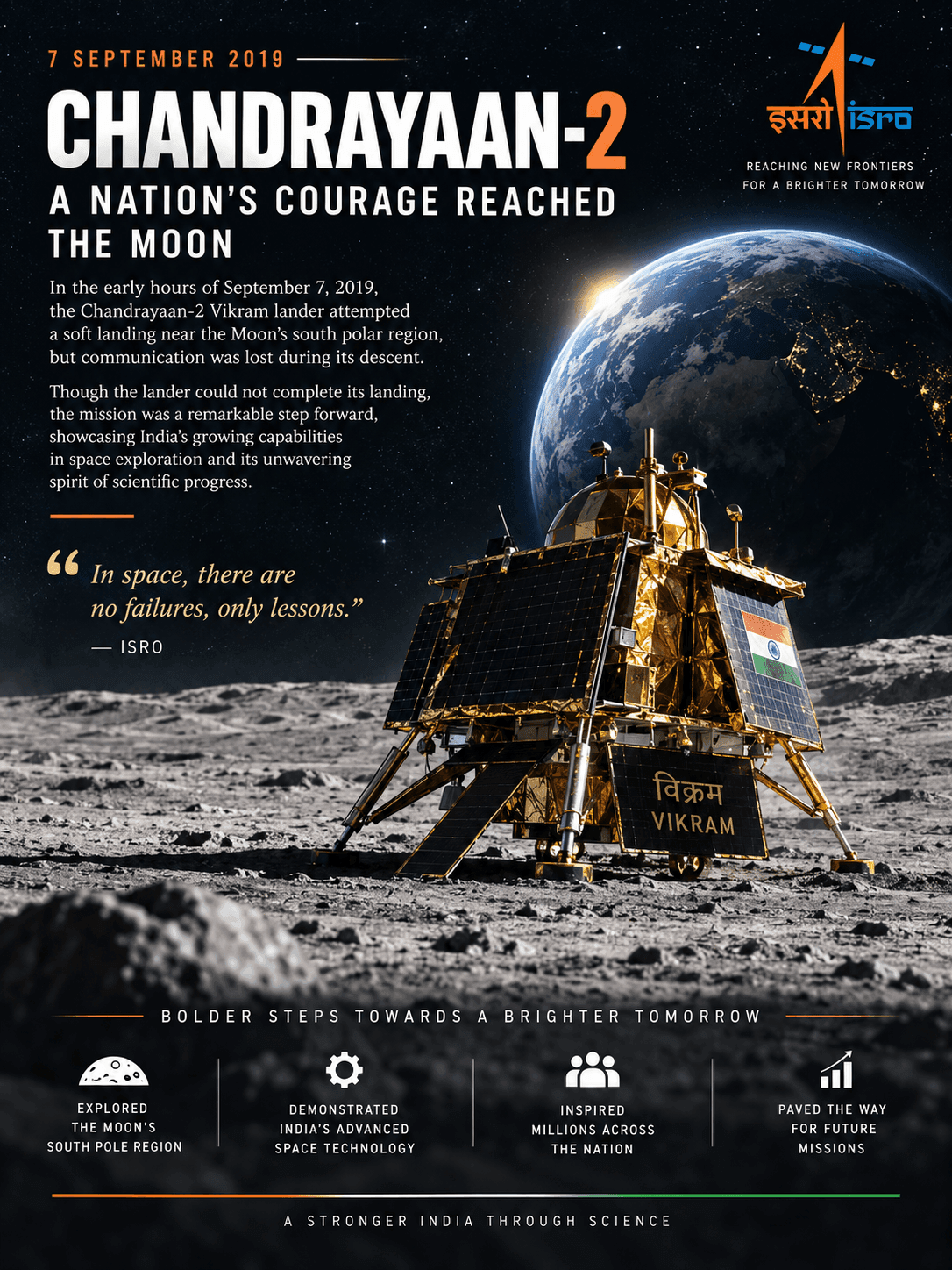
Chandrayaan-2: The Landing Attempt That Took India Closer to the Moon’s South Pole
A few kilometres above the lunar surface, India’s most ambitious Moon mission reached a moment that millions were watching. In the early hours of September 7, 2019, the Chandrayaan-2 Vikram lander attempted a soft landing near the Moon’s south polar region, but communication was lost during its descent. The moment carried both disappointment and immense scientific significance. Chandrayaan-2 had already travelled from an Indian launchpad with an orbiter, lander and rover, carrying the hopes of a nation eager to explore a difficult and little-studied part of the Moon. The landing attempt revealed the complexity of reaching another world while demonstrating India’s growing capability in space science. This story explores the mission’s bold design, the final descent and the lessons that continued to influence India’s lunar ambitions.

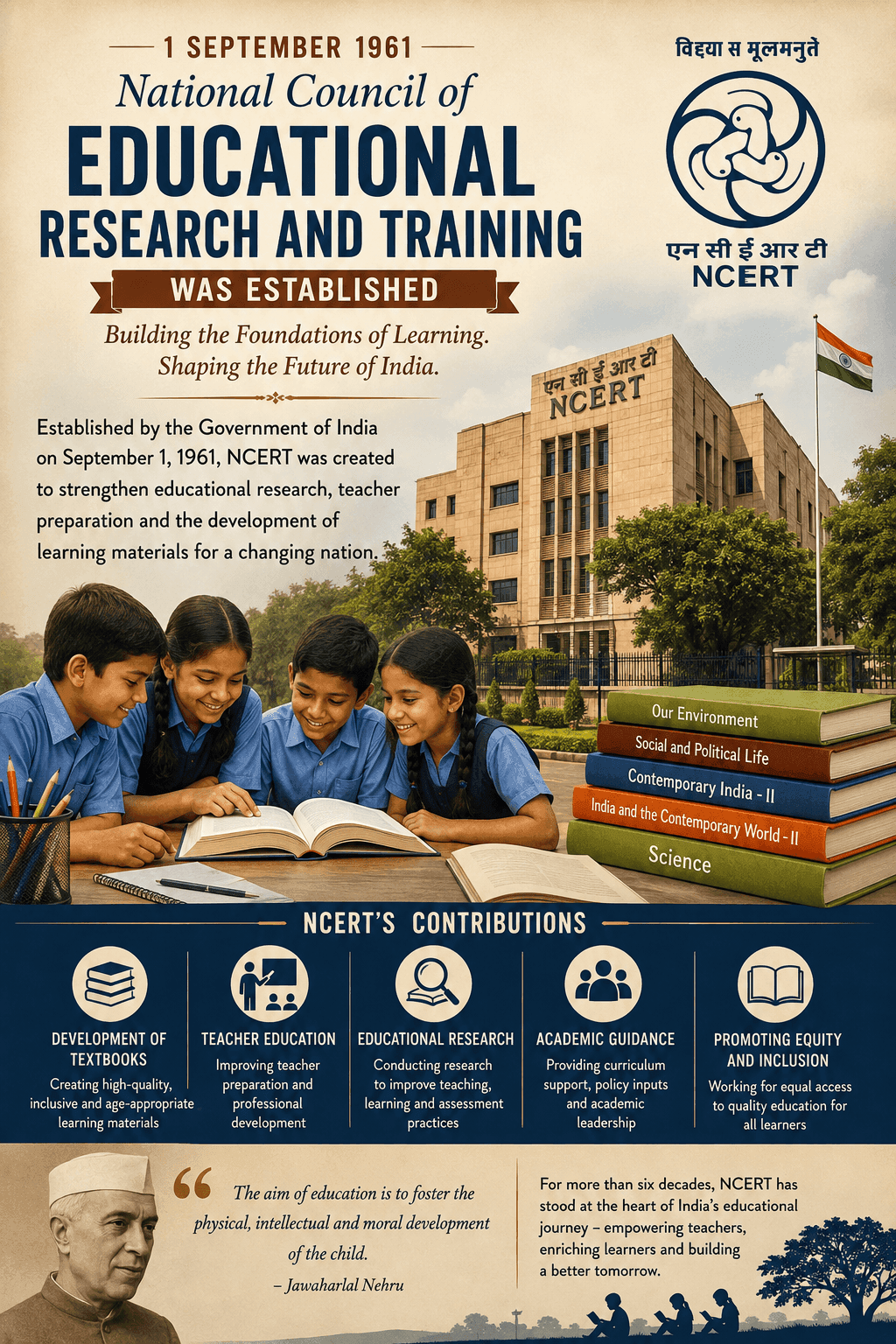
NCERT: The Institution That Helped Shape India’s Classrooms
Every school lesson carries a story of how knowledge is selected, organised and shared. In India, much of that story leads to the National Council of Educational Research and Training, better known as NCERT. Established by the Government of India on September 1, 1961, NCERT was created to strengthen educational research, teacher preparation and the development of learning materials for a changing nation. Its work reached far beyond an office in New Delhi, influencing classrooms, teachers and generations of students across the country. From textbooks to teacher education and academic guidance, the institution became an important bridge between educational policy and everyday learning. Its history reveals how independent India treated education not merely as a service, but as a foundation for national development. The full story of NCERT is also a story about the ideas that have shaped Indian school life.

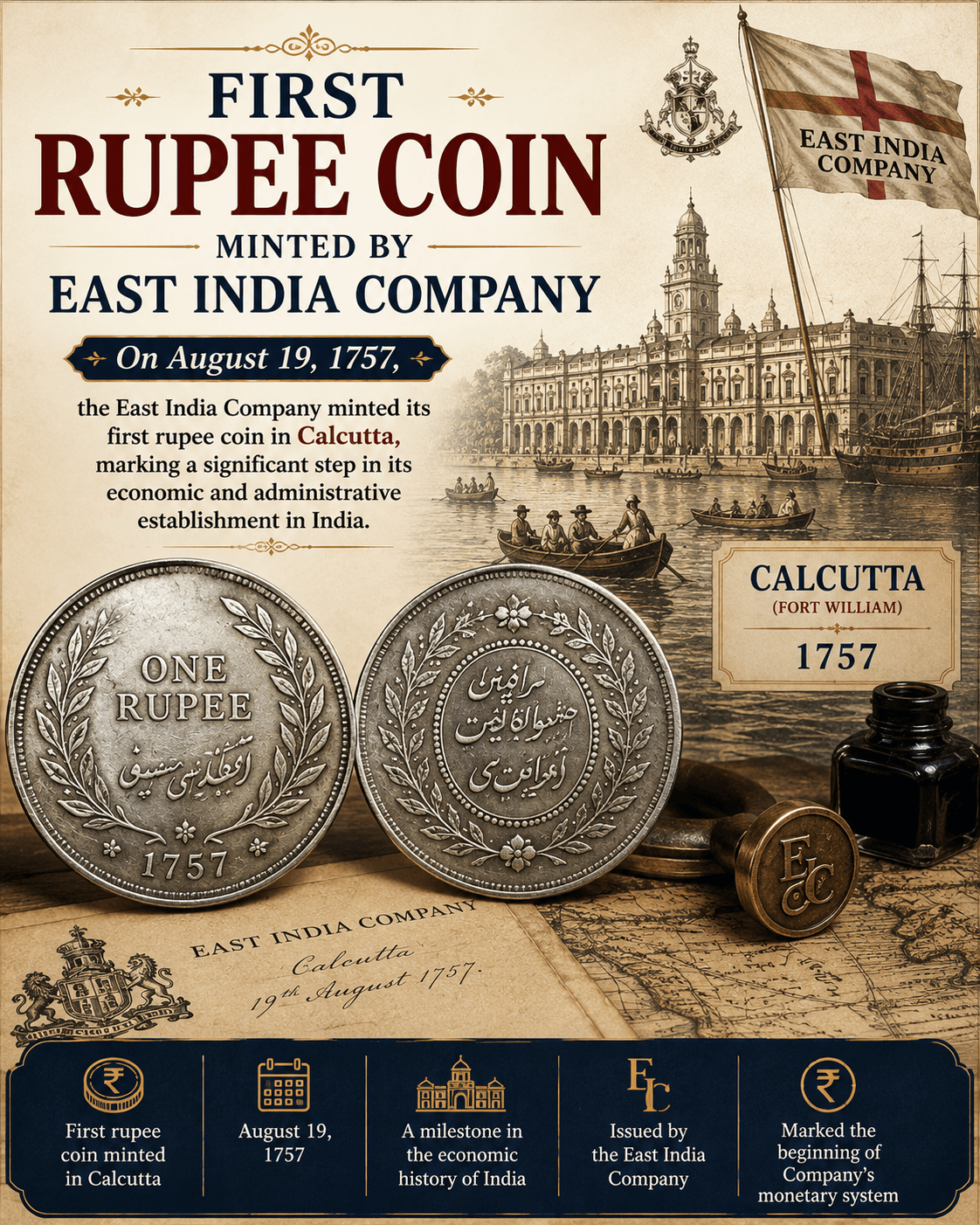
The First Rupee Coin: A Milestone in India’s Monetary History
On August 19, 1757, the East India Company minted its first rupee coin in Calcutta, marking a significant shift in India's economic landscape. This event not only introduced a standardized currency but also symbolized the Company's growing influence in the subcontinent. Delve into the story behind this pivotal moment and its lasting impact on India's financial heritage.
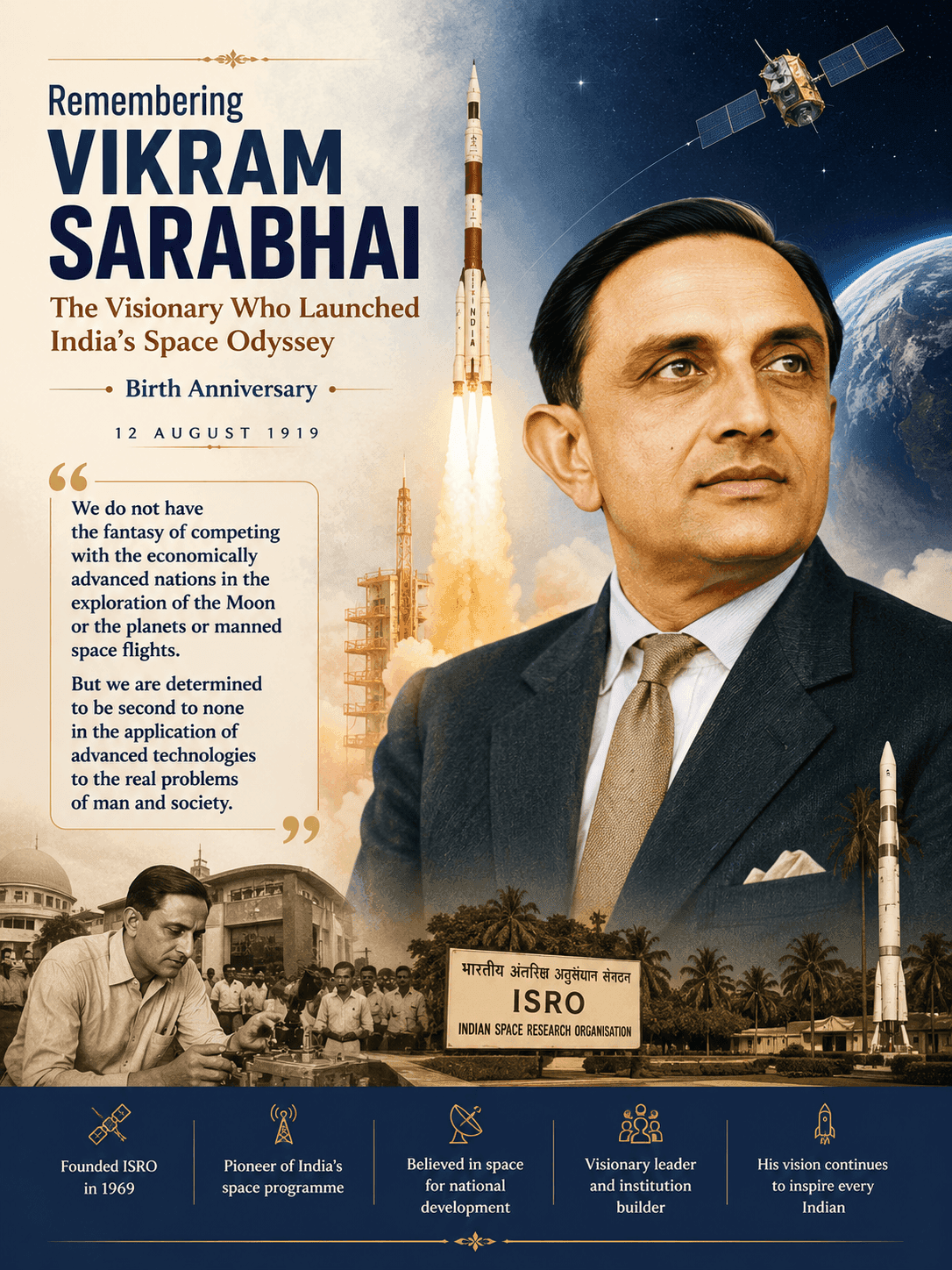
Vikram Sarabhai: The Visionary Who Launched India’s Space Odyssey
Long before India became a global space power, one visionary scientist began changing how the nation looked at the sky. On August 12, 1919, Vikram Sarabhai was born in Ahmedabad, Gujarat, into a family deeply committed to India's progress. His journey from a curious child to the architect of India's space program is a testament to his unwavering belief in science's potential to transform society. This remarkable story delves into his early life, groundbreaking achievements, and the enduring legacy he left behind.
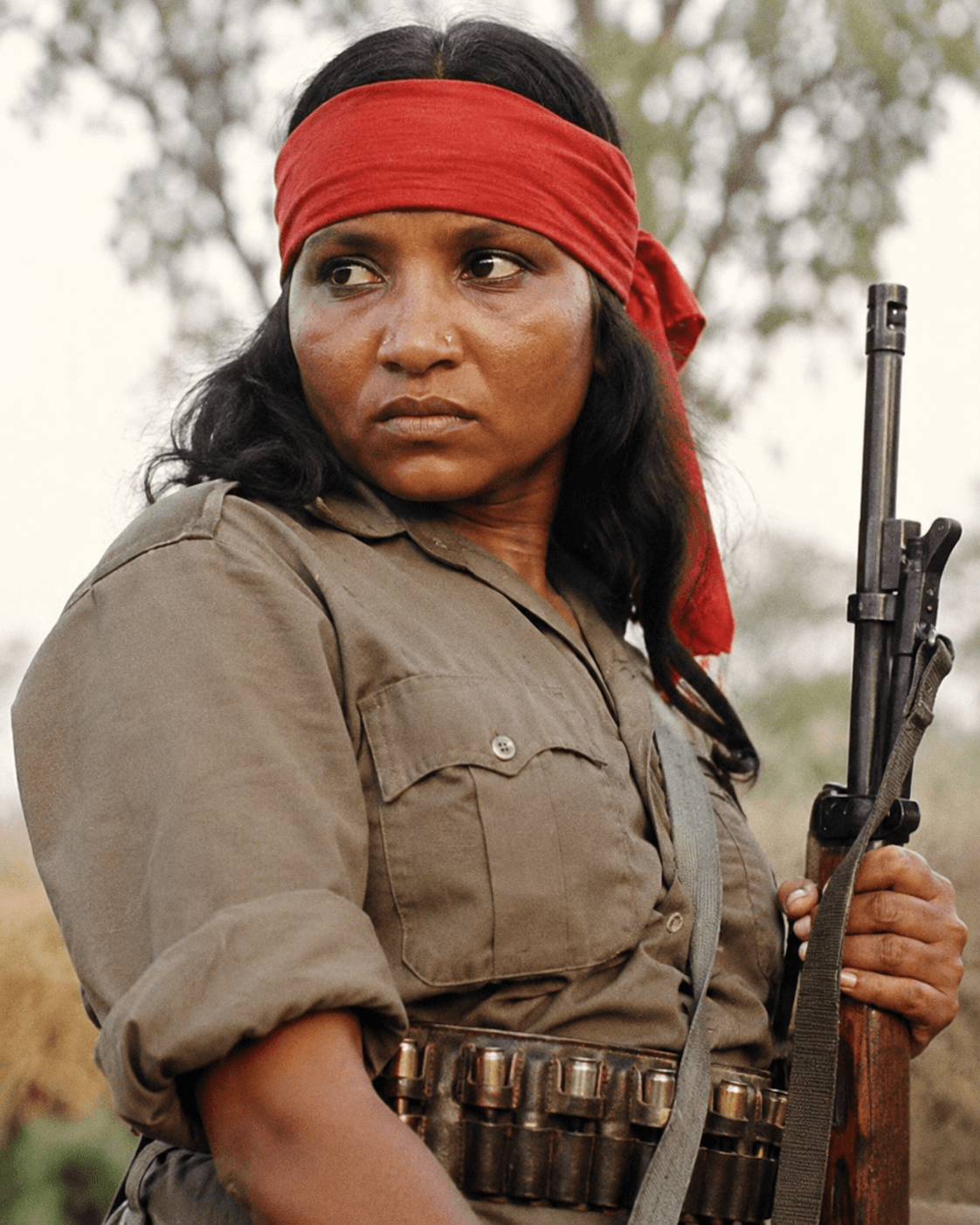
Phoolan Devi: From Bandit Queen to Parliamentarian
In the rugged terrains of Uttar Pradesh, a child was born on August 10, 1963, who would defy all odds to become a symbol of resilience and transformation. Phoolan Devi's journey from a life of hardship to becoming India's 'Bandit Queen' and later a Member of Parliament is a testament to the indomitable human spirit. This remarkable story delves into her early life, the challenges she faced, and the legacy she left behind.

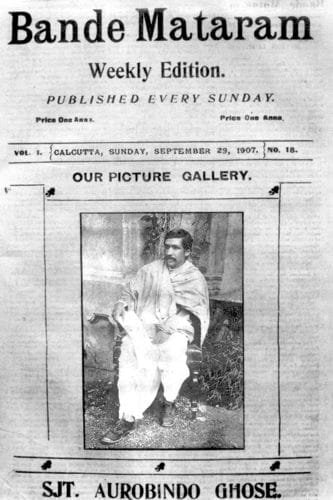
Chittaranjan Das: The Visionary Behind ‘Vande Mataram’ Newspaper
In the summer of 1906, amidst the fervor of India's struggle for independence, Chittaranjan Das, along with other Congress leaders, launched the 'Vande Mataram' newspaper—a bold initiative that would become a beacon of hope for the nation's freedom movement.

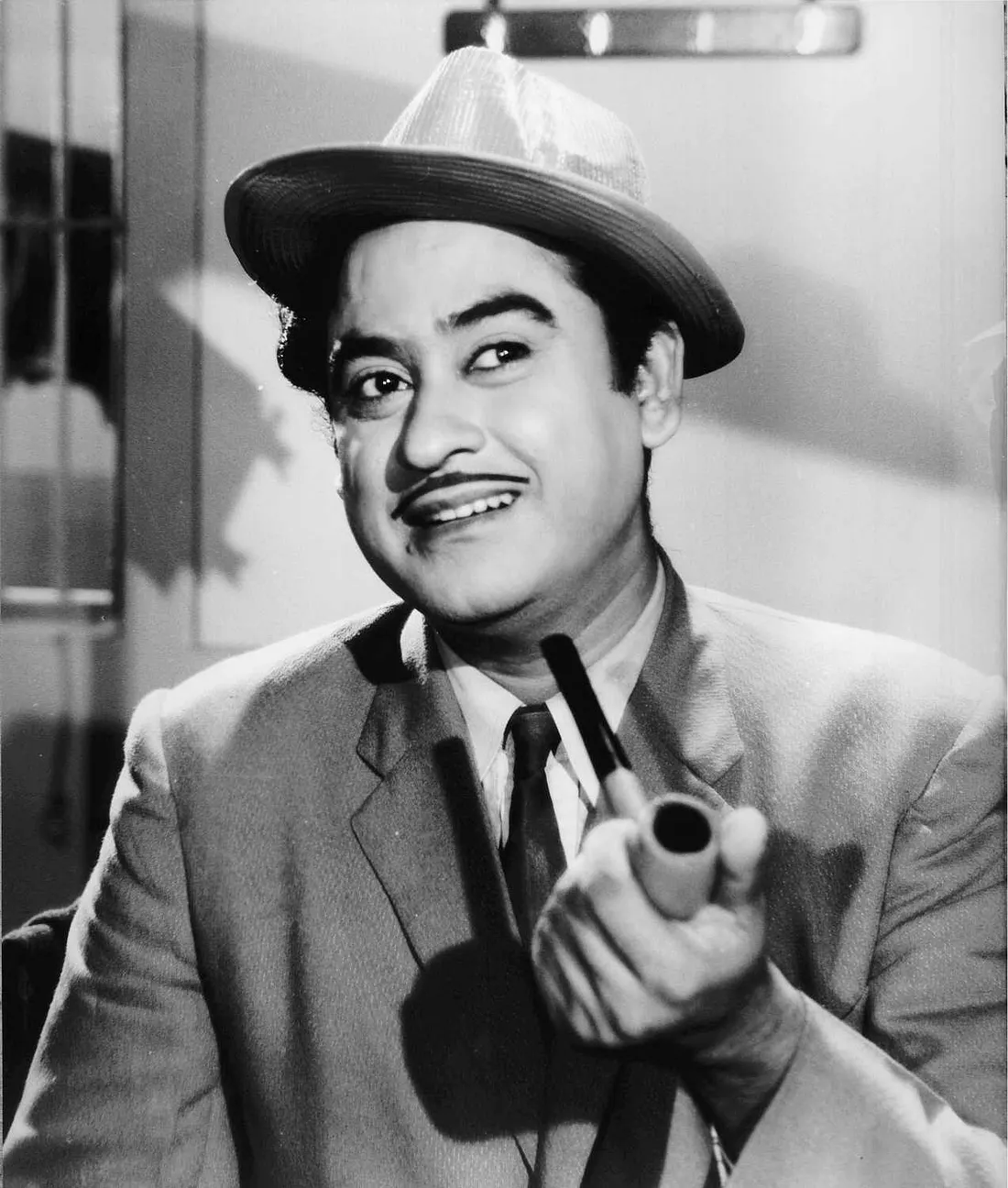
Kishore Kumar: The Voice That Defined an Era of Indian Cinema
On August 4, 1929, a legend was born in Khandwa, Madhya Pradesh, whose voice would become synonymous with the golden age of Bollywood. Discover the life and legacy of Kishore Kumar, the multifaceted genius who captivated millions with his melodies and performances.