Chittaranjan Das: The Visionary Behind ‘Vande Mataram’ Newspaper
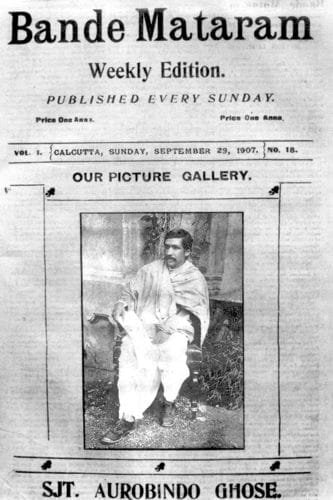
In the early 20th century, India was a nation awakening to the call for self-rule. Amidst this surge of nationalist sentiment, Chittaranjan Das emerged as a pivotal figure. A man of vision and determination, Das recognized the power of the press in shaping public opinion and galvanizing the masses. On August 6, 1906, he, alongside other prominent Congress leaders, took a monumental step by launching the ‘Vande Mataram’ newspaper in Calcutta. This publication was not just a newspaper; it was a clarion call for India’s freedom. The name itself, ‘Vande Mataram’—meaning ‘I bow to thee, Mother’—was a tribute to the motherland and a rallying cry for unity and independence. The newspaper’s mission was clear: to awaken the nation to the ideals of self-reliance, unity, and political consciousness. It aimed to inspire Indians to break free from the colonial yoke and embrace their heritage and destiny. Under the editorial guidance of Bipin Chandra Pal, with contributions from luminaries like Sri Aurobindo, ‘Vande Mataram’ became a powerful medium for nationalist thought. Its sharp and influential editorials resonated with the masses, spreading the message of self-reliance and unity. The newspaper’s impact was profound, serving as a platform for expressing nationalist ideas and mobilizing public opinion. However, the British colonial government, alarmed by the growing influence of ‘Vande Mataram,’ took drastic measures to curb its spread. Circulars were issued prohibiting the singing or recitation of ‘Vande Mataram’ in schools and colleges. Educational institutions were threatened with de-recognition, and students participating in political movements faced dismissal from government jobs. Despite these oppressive measures, the spirit of ‘Vande Mataram’ continued to inspire generations. The newspaper’s legacy is a testament to the resilience and determination of India’s freedom fighters. It serves as a reminder of the power of the press in shaping history and the indomitable spirit of a nation yearning for freedom.