
How to Record Family Traditions Before They Fade?
How to Record Family Traditions Before They Fade?
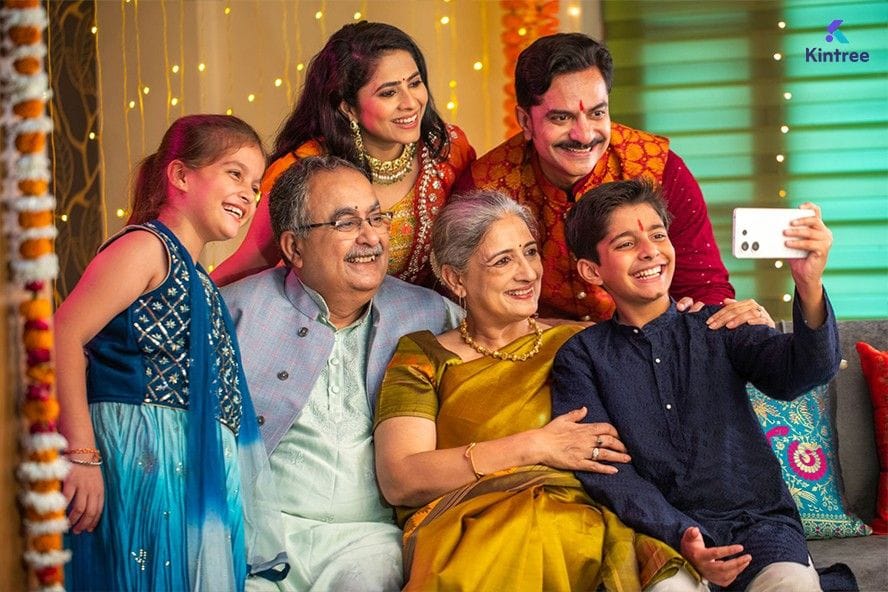
Every family has traditions that feel permanent until one year, nobody remembers exactly how they were done. A festival recipe changes. A wedding ritual gets shortened. A phrase once repeated by grandparents disappears. Younger relatives know that “our family always did this,” but not who started it or why it mattered. Preserving family traditions is not about freezing them in time. It is about recording their meaning before memory becomes guesswork. With a clear family tree and contributions from relatives, families can protect the customs, values and stories that shaped them.
Start With the Traditions People Overlook
Tradition is not limited to weddings and festivals. It can also include:
- recipes prepared on special occasions;
- prayers, blessings, songs, or sayings;
- annual trips and family gatherings;
- clothing, jewellery, or objects passed down;
- habits, rules, and celebration styles;
- stories repeated during meals.
These details form part of you family heritage. Even a simple Sunday lunch ritual can reveal how a family stayed connected across generations.
Record the Meaning, Not Just the Method
Writing “we make this dish every Diwali” is not enough. Record the context around it. Ask:
- Who introduced the tradition?
- Why was it important?
- Which relatives participated?
- Did it change after migration or marriage?
- What values or emotions does it represent?
This turns a basic instruction into meaningful family history. Future generations will understand not only what the family did, but why it mattered.
Speak to Elders While the Details Are Clear
Older relatives often remember information that does not exist in documents. Instead of asking broad questions, ask about specific festivals, recipes, wedding customs, family sayings or childhood routines. Record their responses in writing, audio, or video. Encourage them to describe the people, places, mistakes and funny moments connected to each tradition. These details transform facts into memorable family stories. Do not wait for the perfect moment. Family knowledge usually fades one unanswered question at a time.
Preserve Photos, Objects and Recipes with Context
A photograph without names becomes a mystery. A recipe without measurements becomes difficult to recreate. An inherited object without its story becomes decoration. Label photos with names, dates, occasions and locations. Write recipes in the original family member’s words, then add clear quantities. Photograph jewellery, letters, utensils, clothing and ceremonial items, and explain who owned them. These records give physical meaning to family memories and help younger relatives understand how traditions were experienced.
Connect Traditions to the Family Tree
Traditions become easier to understand when they are linked to the people who carried them forward. Using Kintree, families can build a digital family tree, add relatives, preserve photographs, record memories and invite family members to contribute. An free family tree app also allows different branches to document their own versions instead of depending on one person’s memory. For families searching for the best family tree maker online, the real value lies in connecting traditions to names, faces and generations.
The Hidden Reality: Traditions Fade When Their Meaning Is Lost
Families rarely abandon traditions deliberately. They stop following them because nobody clearly explained their purpose. A ritual may survive for a few years through repetition, but if younger members experience it only as an obligation, it eventually disappears. Recording the emotional, cultural or practical meaning behind a custom gives the next generation a reason to continue it. Traditions can also change. Families move, marry across cultures and live in different countries. Preservation does not mean perfect imitation. It means protecting the core meaning while allowing the form to evolve.
Make Preservation a Shared Habit
Do not turn this into one exhausting project. Record one tradition each month. Ask relatives to contribute photographs, corrections, recipes and memories. Over time, the family creates a living archive. Younger members can understand not only what their family practised, but who kept those traditions alive.
Conclusion
Recording family traditions protects more than rituals. It preserves identity, values, relationships and the stories that make one family different from another. With Kintree, families can connect their traditions to the people who shaped them and preserve their family heritage for those who come next. Traditions survive when they are not only repeated but understood.
Comments are closed.
Share This Story, Choose Your Platform!
Related Blogs
The 1875 Family Tree That Became Evidence in Court
In 1875, Shah Nawaz Din sat down and recorded his ....
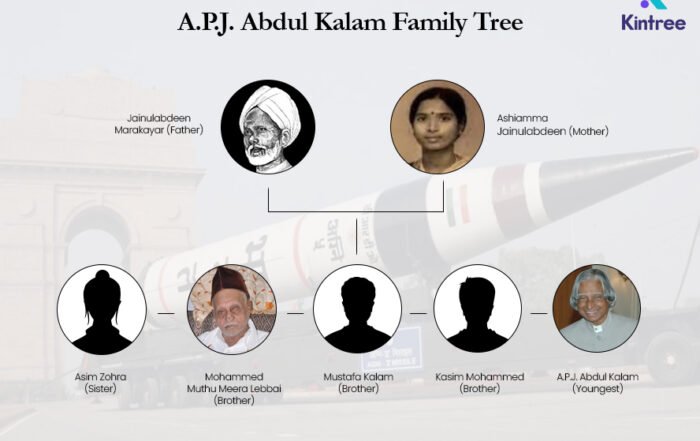
APJ Abdul Kalam Family Tree: The Humble Roots Behind a Remarkable Legacy
Every year on October 15, India remembers Dr. A.P.....
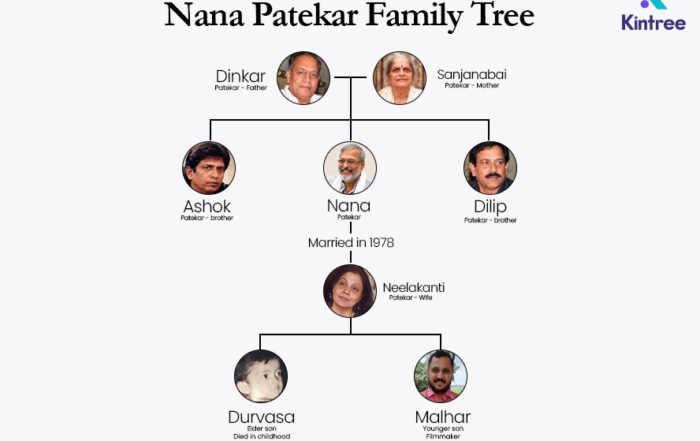
Nana Patekar Beyond Cinema: His Family Tree, Roots and Relationships
Veteran actor Nana Patekar's passing on October 8,....
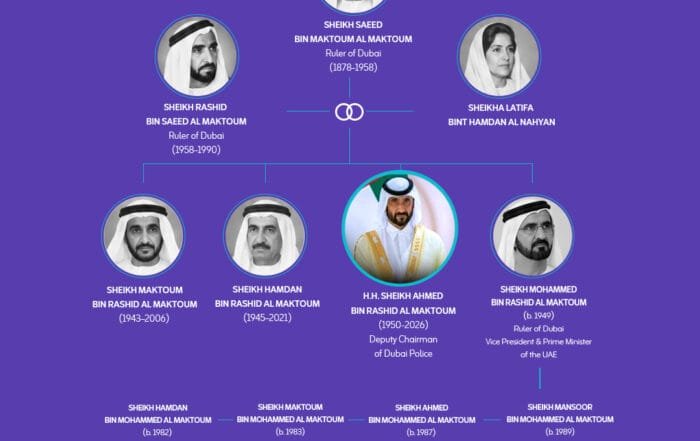
Sheikh Ahmed bin Rashid Al Maktoum: A Life Within the Al Maktoum Family Tree
When Sheikh Mohammed bin Rashid Al Maktoum became ....





[…] There were people, memories and old records. […]