
The Maratha Dynasty: How Family History Turns Pride into Legacy
The Maratha Dynasty: How Family History Turns Pride into Legacy
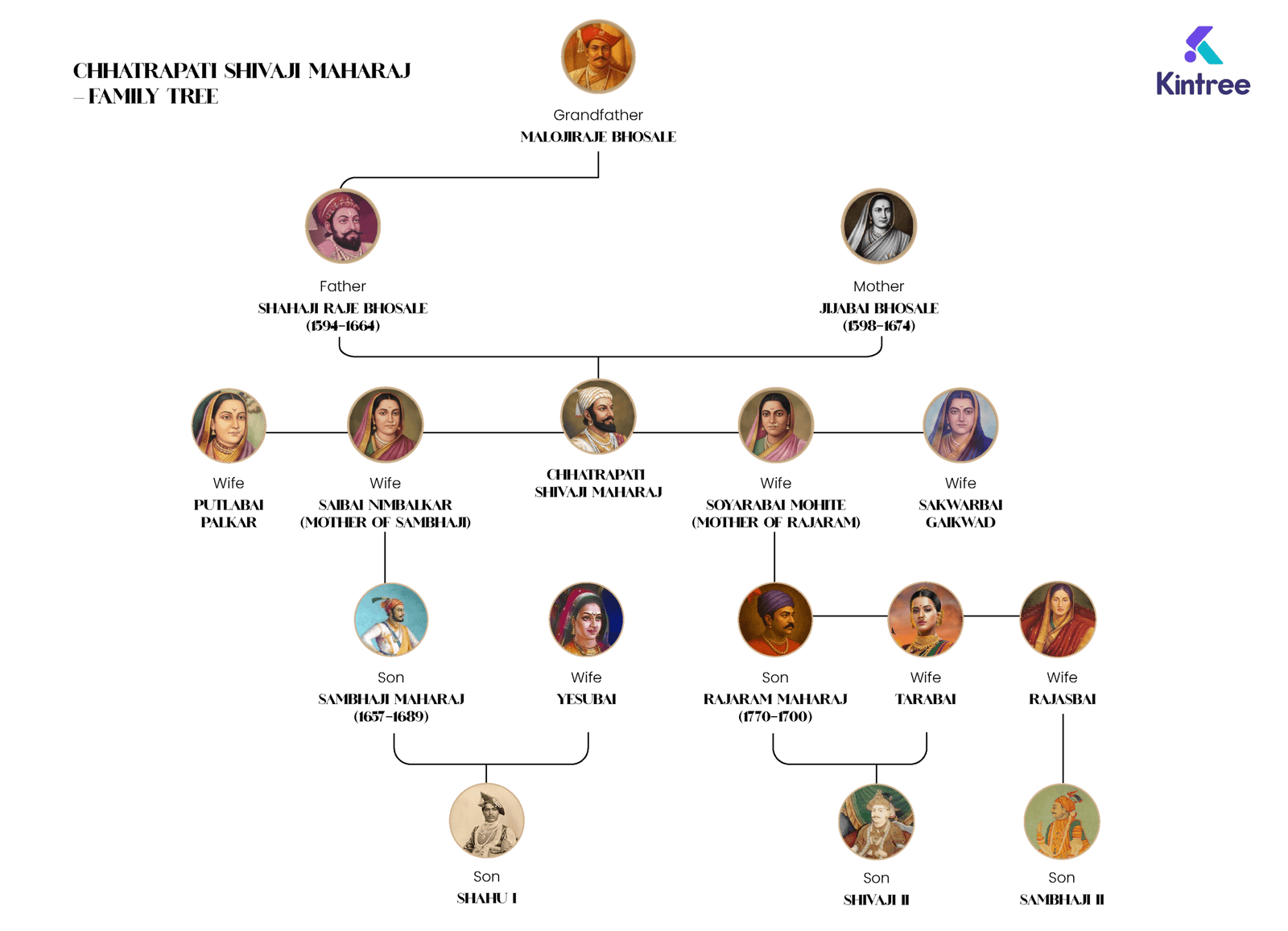
Some histories are learned from books. Others arrive at the dining table: in a grandmother’s remembered place-name, a family tale about courage, or a photograph whose faces no one has labelled. It is a chapter of Indian history and a source of personal inheritance.
The Maratha dynasty was never only a line of rulers. It was a movement shaped by local communities, administrators, soldiers, mothers, mentors and successors. Its rise showed what could happen when political vision was rooted in the land and its people.
That is why a Maratha family tree can be so compelling. It does not have to be a museum piece or a list of names. It can become a living map of relationships, journeys and values – a bridge between the stories we inherit and the stories we choose to preserve. Kintree exists for that bridge: a place to organise family memories before the details fade, and to pass them forward with context.
The Beginning: Chhatrapati Shivaji Maharaj and the Dream of Swarajya
The story of the Marathas is inseparable from Chhatrapati Shivaji Maharaj. Born in the seventeenth century at Shivneri, he grew up in a Deccan shaped by competing powers, shifting alliances, and constant pressure on local communities. His vision went beyond expanding territory. He dreamt of Swarajya, a self-governed kingdom built on justice, strong leadership, and the welfare of his people.
Chhatrapati Shivaji Maharaj’s early campaigns relied on speed, intelligence, and a deep understanding of the Sahyadri landscape. Hill forts such as Torna, Rajgad, and later Raigad were not merely military outposts; they became centres of governance, communication, and strategy.
In 1674, Chhatrapati Shivaji Maharaj was formally crowned at Raigad, marking a defining moment in the formation of the Maratha state. His leadership continues to inspire generations because it was built not only on victories but also on values that still resonate today.
What Made the Maratha Empire So Powerful?
The Maratha Empire became one of India’s most influential dynasties because of the systems, leadership, and values that supported its growth. Its legacy was shaped by generations of rulers who strengthened the empire while remaining committed to the vision of Swarajya. Even today, exploring the Maratha Empire family tree offers a glimpse into the people and relationships that helped build this remarkable legacy.
- Effective Administration: The Marathas established a well-structured administrative system that encouraged trade, agriculture, and efficient governance, creating stability and prosperity for the people.
- A Powerful Naval Force: Under the leadership of Kanhoji Angre, the Marathas developed a formidable naval force that safeguarded India’s western coastline and protected maritime trade.
- Strategic Forts: The empire strengthened its defence through an extensive network of forts across the Western Ghats and the Konkan coast, many of which continue to stand as symbols of Maratha resilience.
- Guerrilla Warfare: One of the defining strengths of the Marathas was their mastery of guerrilla warfare. These innovative battle strategies enabled them to challenge larger armies and defend the empire for decades.
The Maratha dynasty family tree shows that the empire’s success was never the achievement of a single ruler alone. It was carried forward by generations of leaders, administrators, and communities who preserved its ideals. Even though many people search for what happened to the Maratha Empire, its influence never truly disappeared. It lives on through its forts, traditions, cultural heritage, and the enduring legacy reflected in the Shivaji dynasty tree, which continues to inspire historians, families, and anyone curious about India’s rich heritage.
A Family of Warriors
The Maratha Empire was not built by one ruler alone. Its legacy was carried forward by generations of leaders who strengthened the vision of Swarajya through courage, leadership, and resilience. Each successor played a vital role in shaping one of India’s most remarkable empires.
Long before the empire expanded, its values were nurtured at home. Jijabai, the mother of Chhatrapati Shivaji Maharaj, played a defining role in shaping his character, leadership, and vision of Swarajya. Through her teachings of courage, justice, and duty, she laid the foundation for a legacy that would inspire generations. Like the branches of a family tree, each successor contributed to its growth:
- Chhatrapati Shivaji Maharaj (1674–1680): The founder of the Maratha Empire, remembered for his visionary leadership, military strategy, and unwavering commitment to Swarajya.
- Chhatrapati Sambhaji Maharaj (1681–1689): Shivaji Maharaj’s eldest son, who fiercely defended the empire against the Mughals and became a symbol of bravery and sacrifice.
- Peshwa Balaji Vishwanath (1713–1720): A skilled administrator who reorganised the empire’s governance and laid the foundation for its future expansion.
- Peshwa Baji Rao I (1720–1740): One of the greatest military commanders in Indian history, whose bold campaigns significantly expanded the Maratha Empire.
- Madhav Rao I (1761–1772): He restored stability and revived the empire after the Third Battle of Panipat, reinforcing Maratha influence across India.
Together, these leaders transformed the Maratha royal family tree into a legacy of vision, sacrifice, and determination.
The Decline of the Maratha Empire
After becoming a major political force across the Indian subcontinent, the Marathas began facing internal divisions and growing pressure from the British East India Company. The defeat at the Third Battle of Panipat in 1761 weakened their position, although the Marathas later recovered and remained influential.
The three Anglo-Maratha Wars further changed the balance of power. The final chapter came during the Third Anglo-Maratha War of 1817–1819, when Peshwa Bajirao II was defeated, and Maratha political authority ended in 1818.
So, what happened to the Maratha Empire? Its political power declined, but its legacy did not. Its forts, traditions, stories, and values continue to live on across generations.
That is what makes a family tree more than a record of names. It shows how a legacy can outlive the people and institutions that created it.
Preserving the Legacy That Matters
The Maratha legacy reminds us that history survives when stories are passed down. The same is true for every family. Ask about the old photographs, family rituals, surnames, recipes, and the people whose choices shaped what came next.
A family tree can show generations and relationships, but the stories behind those names give them meaning. Your family tree deserves the same.
With Kintree, families can bring their family tree, memories, stories, photos, recipes, and traditions together in one place because preserving family history isn’t just about knowing who came before you. It’s about remembering what they carried forward and passing it on.
This Blog is generated using information collected from various sources. Some details may be inaccurate, incomplete, or outdated. Please verify the information before relying on it.
Share This Story, Choose Your Platform!
Related Blogs

The 1875 Family Tree That Became Evidence in Court
In 1875, Shah Nawaz Din sat down and recorded his ....
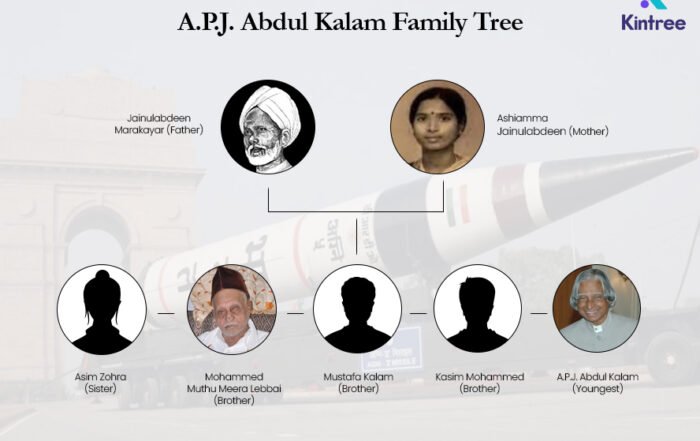
APJ Abdul Kalam Family Tree: The Humble Roots Behind a Remarkable Legacy
Every year on October 15, India remembers Dr. A.P.....
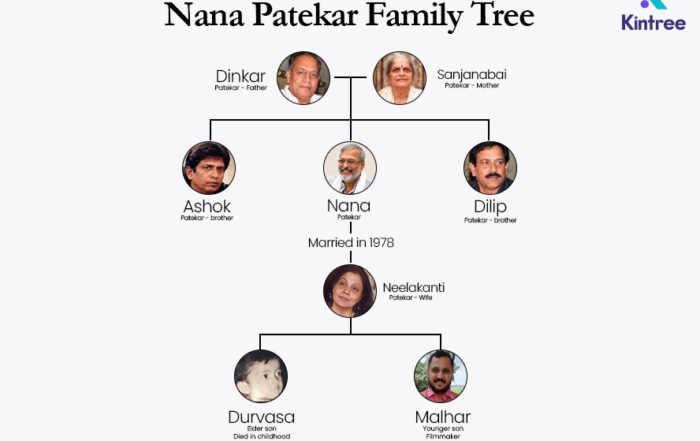
Nana Patekar Beyond Cinema: His Family Tree, Roots and Relationships
Veteran actor Nana Patekar's passing on October 8,....
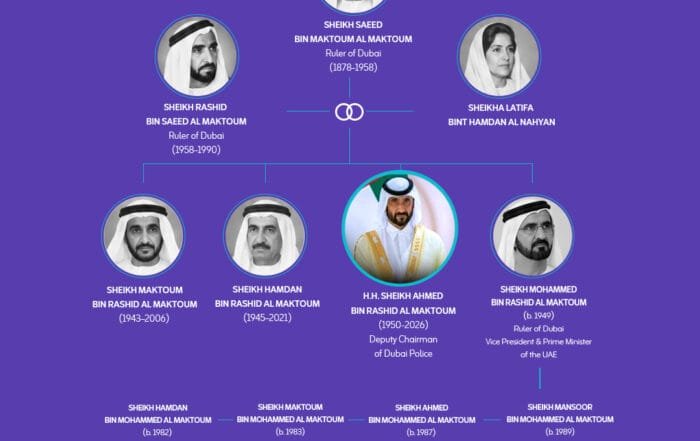
Sheikh Ahmed bin Rashid Al Maktoum: A Life Within the Al Maktoum Family Tree
When Sheikh Mohammed bin Rashid Al Maktoum became ....