
How to Explain Your Family Tree to Children Without Confusing Them?
How to Explain Your Family Tree to Children Without Confusing Them?

Explaining a family tree to children sounds simple until you introduce great-grandparents, cousins, in-laws and relatives everyone casually calls “uncle.” The problem is usually not the family itself. It is trying to explain too much at once.
Children understand relationships better when they can see faces, hear stories, and connect new information to people they already know. The goal is not to make them memorise every branch. It is to help them understand where they belong.
Start With the People They Already Know
Begin with the child at the centre. Then add parents, siblings, and grandparents before introducing aunts, uncles and cousins.
Use simple explanations:
- “Your mother’s mother is your grandmother.”
- “Your father’s sister is your aunt.”
- “Her children are your cousins.”
A basic family tree template can make these relationships easier to follow. Introduce one generation at a time instead of presenting the entire extended family together.
Use Photos to Make Relationships Real
Names alone can feel abstract to children. Photographs make each person easier to recognise and remember.
Add a photo next to every name on the family tree chart. Ask the child what they remember about that relative. A grandparent may become “the one who tells funny stories,” while an uncle may be remembered for playing cricket with them.
A visual family tree builder helps children connect names, faces and relationships without feeling overwhelmed.
Turn Family History into Short Stories
Children remember stories better than dates.
Instead of only saying, “This is your great-grandfather,” add one meaningful detail:
“He moved to Mumbai when he was young and started the family’s first business.”
“This is your great-grandmother. She taught your grandmother the recipe we still make during festivals.”
These small stories make family history feel personal. They show children that previous generations were real people who made choices, faced challenges and shaped the family they know today.
Explain One Side of the Family at a Time
Maternal and paternal relatives can easily become confusing when explained together.
Start with:
- Mother’s side
- Father’s side
Once both branches are clear, combine them into one ancestry family tree. This makes it easier for children to understand why they have two sets of grandparents and how different relatives belong to different sides.
A digital family tree application can help families add members gradually rather than forcing children to understand everything in one sitting.
Let Children Help Build It
Children learn more when they participate.
They can choose photographs, write names, add birthdays, ask grandparents questions or record one interesting fact about each person. This turns the activity into discovery rather than a lesson.
Using Kintree, families can build the tree together, add relatives, preserve photos, record memories and invite other family members to contribute. This also makes the information more accurate because no single person must rely entirely on memory.
Children Remember Stories, Not Structures
Many families assume children will eventually understand relationships simply by attending weddings and hearing words like bua, mausi, mama or Chacha.
Usually, they recognise the person but do not understand the connection.
The deeper opportunity is not merely teaching relationship labels. It is helping children feel rooted. A thoughtfully created family tree shows them that they are part of a larger story shaped by many people before them.
That sense of belonging is more valuable than memorising names.
Let the Tree Grow with the Child
The first version should remain simple. As children grow, add great-grandparents, ancestral places, extended relatives, photographs and longer stories.
Using Kintree as a digital family tree builder allows the family record to grow naturally over time instead of becoming another forgotten school project.
Conclusion
Explaining a family tree to children does not require complicated genealogy lessons. Start with familiar people, use photographs, tell short stories, separate family branches and let children participate.
The best family tree chart is not the one with the most names. It is the one that helps a child understand who came before them and why those relationships still matter.
Share This Story, Choose Your Platform!
Related Blogs
The 1875 Family Tree That Became Evidence in Court
In 1875, Shah Nawaz Din sat down and recorded his ....
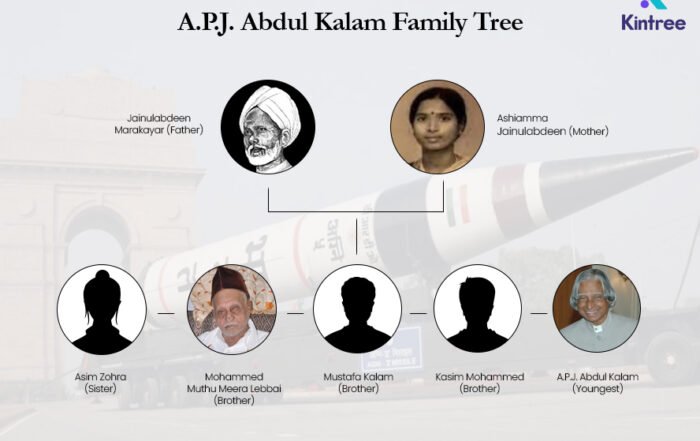
APJ Abdul Kalam Family Tree: The Humble Roots Behind a Remarkable Legacy
Every year on October 15, India remembers Dr. A.P.....
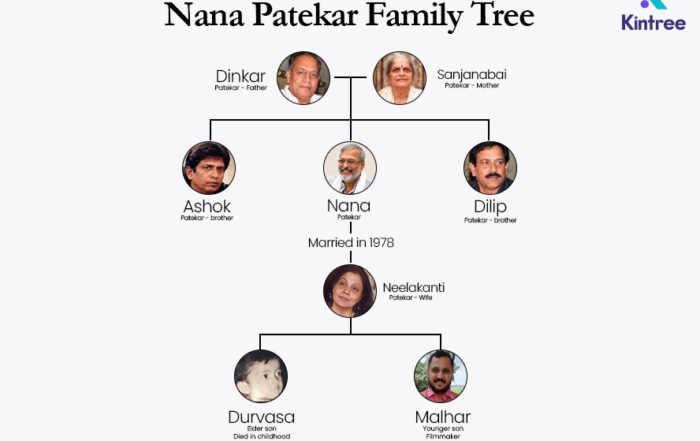
Nana Patekar Beyond Cinema: His Family Tree, Roots and Relationships
Veteran actor Nana Patekar's passing on October 8,....
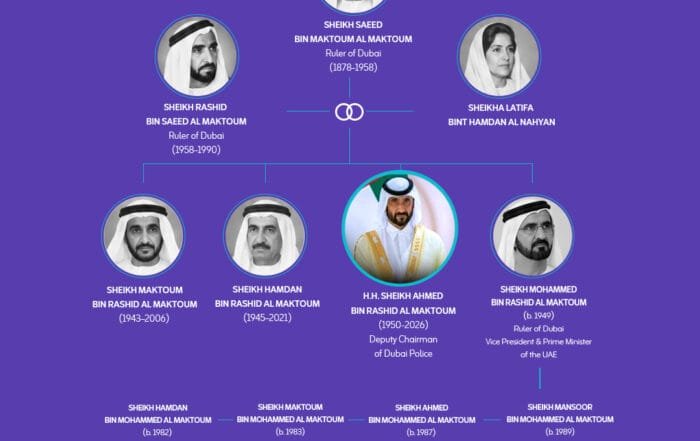
Sheikh Ahmed bin Rashid Al Maktoum: A Life Within the Al Maktoum Family Tree
When Sheikh Mohammed bin Rashid Al Maktoum became ....