
Can You Solve These Indian Family Riddles Without Getting Stuck?
Can You Solve These Indian Family Riddles Without Getting Stuck?
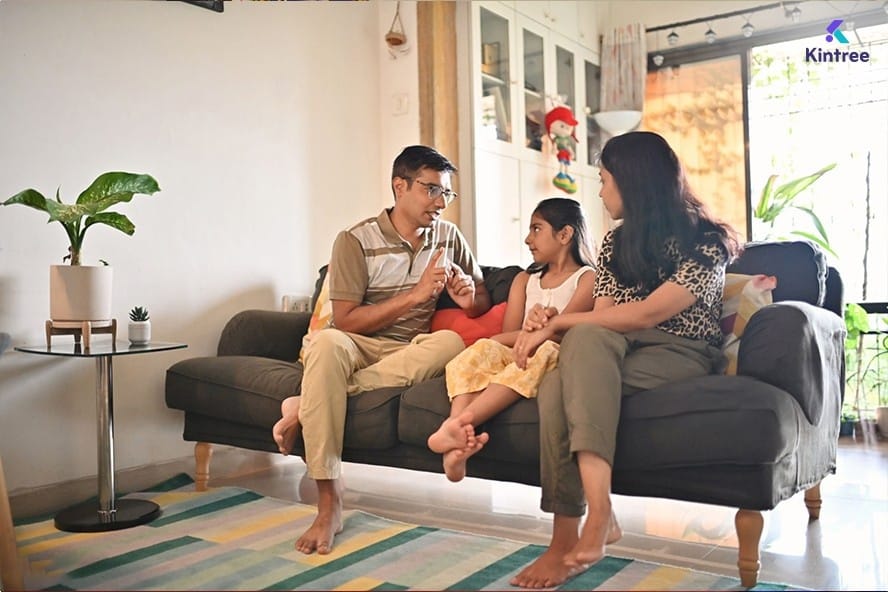
Indian families are not simple relationship charts. They are living puzzles made of surnames, rituals, in-laws, cousins, remarriages, nicknames and elders who can explain seven generations faster than most people can unlock their phones.
But can you explain them?
In Indian homes, relationships go far beyond “uncle,” “aunt,” and “cousin.” There is nanad, devar, jethani, saali, mausa, phoofa, bua, chachi, mami, mama, tau, jija, bhabhi and many more. Sometimes, one person can hold two relationship titles depending on how they are connected to you. That is what makes family tree riddles so fascinating. They test logic, memory and how well you truly understand your family tree.
With Kintree, families can map these connections clearly instead of depending only on memory. But before that, let us see how many of these Indian family riddles with answers you can solve without getting stuck.
Why Indian Family Riddles Are Harder Than They Look?
Indian relationships are not just biological. They are cultural, emotional, and directional. Your father’s sister is bua. Her husband is phoofa. Your mother’s sister is mausi. Her husband is mausa. Your husband’s sister is nanad. Your wife’s sister is saali. These terms do more than name a person. They tell you which side of the family they belong to, how they are connected, and what role they play.
That is why a family tree app is especially useful for Indian families. It helps you see relationships instead of mentally untangling them each time. You can map maternal and paternal branches, add relatives, invite family members, preserve photos, record memories and help younger generations understand where they come from.
Now, let the rishta labyrinth begin.
6 Hard Indian Family Riddles with Answers
Riddle 1
A woman says, “My husband’s younger brother’s wife calls me didi but my husband does not call her bhabhi.” Who is she to the woman?
Answer: She is her devrani.
The husband’s younger brother is her devar. His wife becomes her devrani. Since the woman is married to the elder brother, she may be called jethani. This is a classic Indian relationship riddle because the answer depends on sibling order within the husband’s family.
Riddle 2
A boy says, “My mother’s brother is married to my father’s sister.” What is their child to me?
Answer: The child is his cousin from both sides.
His mother’s brother is his mama. His father’s sister is his bua. Their child connects to him through both the maternal and paternal branches of the family tree. In a normal chart, this may look like one cousin. But in a real Indian family, the relationship carries two emotional routes.
Riddle 3
A woman points to a man and says, “His wife is my husband’s sister, and his father is my father’s brother.” How is the man related to her?
Answer: He is both her cousin and her nanad’s husband.
His father is her father’s brother, making him her cousin. His wife is her husband’s sister, making him her nanad’s husband too. This is the kind of riddle family tree twist where one person sits in two different parts of your life at once.
Riddle 4
A boy says, “My mother’s sister’s daughter is married to my father’s younger brother.” What is she to him?
Answer: She is both his cousin sister and his chachi.
His mother’s sister is his mausi. Mausi’s daughter is his cousin sister. His father’s younger brother is his chacha. Since she is married to his chacha, she is also his chachi. These are the kinds of hard family riddles that make Indian relationships both confusing and fascinating.
Riddle 5
A woman says, “My husband’s elder brother is married to my younger sister.” What is her sister to her inside the marital family?
Answer: Her sister is also her jethani.
The husband’s elder brother is her jeth. His wife is her jethani. Since that wife is also her younger sister, her sister becomes her jethani after marriage. In her birth family, she is the younger sister. In her marital family, she holds a senior relationship title.
Riddle 6
A woman says, “My son’s wife’s brother is married to my daughter.” What is that man to her?
Answer: He is both her daughter’s husband and her daughter-in-law’s brother.
Her son’s wife is her bahu. The bahu’s brother is married to her daughter, so he becomes her son-in-law as well. This creates a double in-law connection between the same families. A family tree application becomes extremely useful in such cases because marriage adds new branches that can overlap with existing ones.
What These Family Tree Riddles Reveal?
These riddles are fun, but they also reveal something deeper: Indian families are not always easy to explain in straight lines. They grow sideways, diagonally, through marriage, through tradition and through relationships that do not always have simple English names.
That is why family tree riddles feel so familiar. They are not abstract puzzles. They mirror real conversations that happen during weddings, reunions, family functions and old-photo sessions.
Someone points to a person and says, “Do you know who that is?”
You smile confidently.
Then they explain the relationship.
Your brain quietly leaves the room.
A clear family tree helps prevent that confusion. It gives every person a place, every branch a structure and every relationship a context.
Why Kintree Makes Complex Relationships Easier?
A paper chart may show names, but Kintree helps families create a living digital family tree. You can add relatives, invite family members, map maternal and paternal sides, understand in-law connections, preserve photos and keep family memories in one accessible place.
That is what makes a smart family tree app valuable. It brings order to complex relationships without removing their cultural meaning. It helps families move from “someone from our side” to a clear, shared understanding of who belongs where.
So, the next time someone asks whether your mausi’s daughter can also be your chachi, or whether your daughter’s husband can also be connected through your bahu’s family, you do not need to freeze. You can trace the relationship, understand the connection and maybe even win the family debate.
Conclusion
Indian family tree riddles are fun because Indian families themselves are layered, emotional, and wonderfully complex. These family riddles with answers show how quickly relationships can become tricky when marriage, maternal links, paternal links and in-laws overlap.
But beyond the fun, there is a serious point. Families need to be remembered clearly. Relationships need to be preserved before they become vague labels like “someone from our side.”
With Kintree, your family tree becomes easier to build, understand, and share. Because every family has branches. Some are simple. Some are tangled. And some definitely need a good family tree app.
Share This Story, Choose Your Platform!
Related Blogs
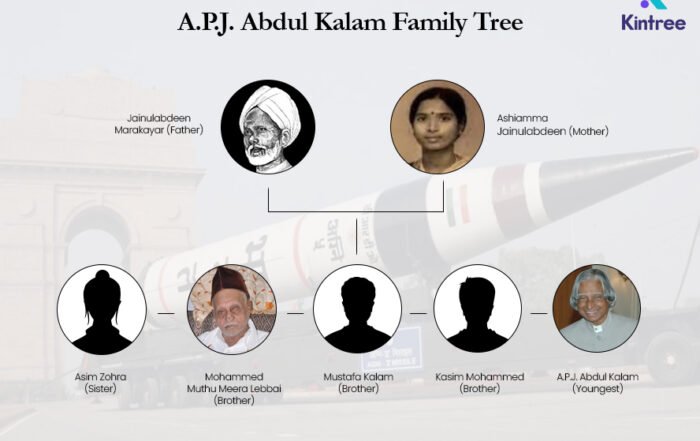
APJ Abdul Kalam Family Tree: The Humble Roots Behind a Remarkable Legacy
Every year on October 15, India remembers Dr. A.P.....
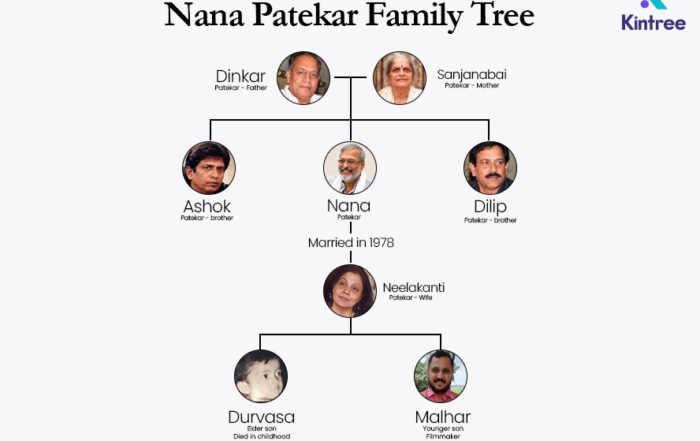
Nana Patekar Beyond Cinema: His Family Tree, Roots and Relationships
Veteran actor Nana Patekar's passing on October 8,....
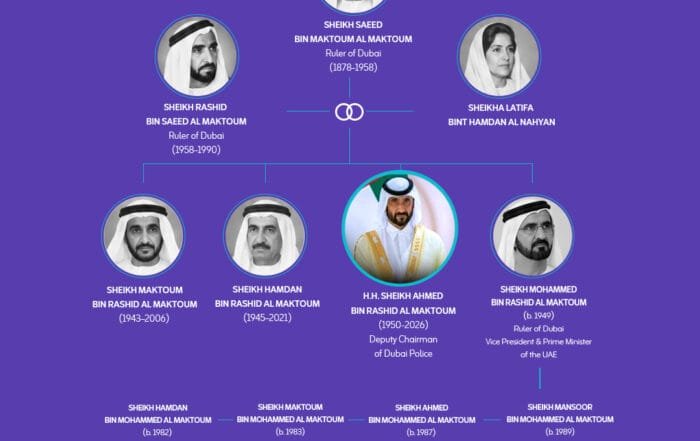
Sheikh Ahmed bin Rashid Al Maktoum: A Life Within the Al Maktoum Family Tree
When Sheikh Mohammed bin Rashid Al Maktoum became ....
Unveiling the Legacy: Lord Rama and the Ikshvaku Dynasty
Lord Rama's place in the Ramayana is closely conne....