
If Your family tree Could Talk: What Questions Would It Ask You?
If Your family tree Could Talk: What Questions Would It Ask You?

If your family tree could talk, it probably would not ask whether you remember every date.
It would ask whether you remember the people.
Because a family tree is not only a chart of names. It is a map of choices, sacrifices, marriages, migrations, traditions and stories that quietly shaped your life before you were even born.
In many Indian families, these memories still exist. But they are scattered across elders, old albums, WhatsApp groups, wedding trunks, native places and half-remembered conversations.
The question is simple: who is preserving them?
“Do you know me beyond my name?”
Most families can name a few generations. But names alone do not preserve identity.
Who was the grandfather who moved from a village to the city with nothing but responsibility? Who was the grandmother whose handwritten recipe became part of every festival? Who paid for someone else’s education? Who changed the family’s financial future? Who protected a tradition no one fully understands anymore?
These are the real family tree questions.
A name proves someone existed. A story explains why they still matter.
“Which memories are you assuming will always be there?”
This is where many families make a quiet mistake.
They believe their family history is safe because someone still remembers it. An uncle knows the native village. A grandmother remembers the wedding ritual. A parent knows which black-and-white photograph belongs to which side of the family.
But memory is not permanent storage.
Families do not usually lose history because they do not care. They lose it because they keep postponing the conversation.
One day, the person who remembers the details may no longer be able to explain them. Then the family is left with photos but no context, rituals but no meaning and names but no stories.
“What will your children know about where they come from?”
Modern children are growing up in smaller homes, faster cities and more digital worlds.
They may know cousins through video calls. They may visit their native place only during holidays. NRI children may know the country they live in better than the place their family came from.
This is why family heritage needs to be made visible.
Children should not inherit only surnames, property, or festival routines. They should also inherit stories of courage, migration, language, food, relationships, values and belonging.
When children understand their family tree, they begin to see themselves as part of something larger.
“Are you collecting memories or preserving them?”
Most families already have enough material for a meaningful family history.
Old wedding photos. School certificates. Letters. Family recipes. Voice notes from elders. Marriage connections. Childhood stories. A family nickname who’s meaning only one person remembers.
But collection is not preservation.
If everything remains scattered across people, phones, albums, and conversations, the next generation may never find it or understand it.
Preserving family history means bringing names, relationships, photos, stories, and traditions into one place so they remain useful, meaningful and accessible.
“What are you doing before the memories fade?”
Start simply.
Ask elders about their childhood. Ask parents about family turning points. Ask relatives about old photographs. Note down native places, relationships, traditions, nicknames, marriages, professions and stories.
Then organize them.
Kintree helps families move from scattered memory to structured legacy. It gives families one place where relationships, names, photos, stories and memories can sit together instead of remaining spread across people, devices, albums and fading conversations.
Not as a formal record.
As a living family space.
Conclusion
If your family tree could talk, it would not ask for perfection.
It would ask for attention.
It would ask you to remember the people behind the names, the stories behind the photographs and the meaning behind the traditions.
Because preserving family history is not about living in the past. It is about making sure the next generation does not grow up disconnected from the people, choices and values that made their life possible.
FAQs
1. What are meaningful family tree questions to ask elders?
Meaningful family tree questions include asking about childhood memories, ancestral homes, marriage stories, family traditions, migration, old photographs, professions, values and relatives’ younger generations may not know.
2. Why is family history important for Indian families?
Family history helps Indian families preserve identity, relationships, traditions, cultural memory and stories that often pass orally from grandparents and parents to younger generations.
3. How can NRIs preserve family heritage for their children?
NRIs can preserve family heritage by documenting family relationships, recording elder stories, saving old photos, explaining traditions and using Kintree to keep the family connected across countries.
4. Can a family tree include stories, not just names?
Yes. A meaningful family tree should include names, relationships, photos, memories, traditions and personal stories. That is what makes it useful for future generations.
Share This Story, Choose Your Platform!
Related Blogs
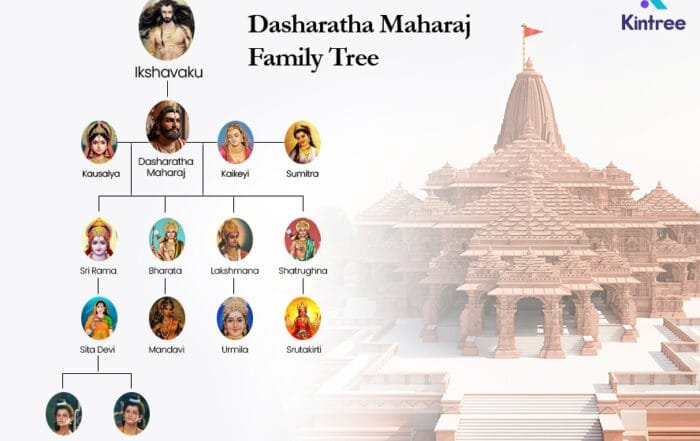
Unveiling the Legacy: Lord Rama and the Ikshvaku Dynasty
Lord Rama's place in the Ramayana is closely conne....
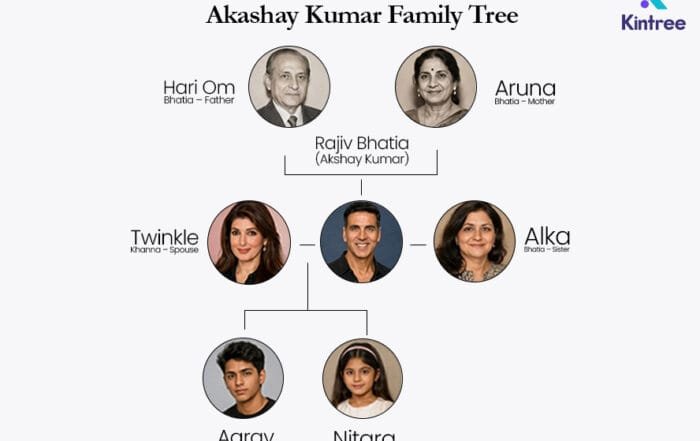
Akshay Kumar Birthday – Bollywood Actor and His Influencing Family
Akshay Kumar is an Indian Actor and Film Producer ....
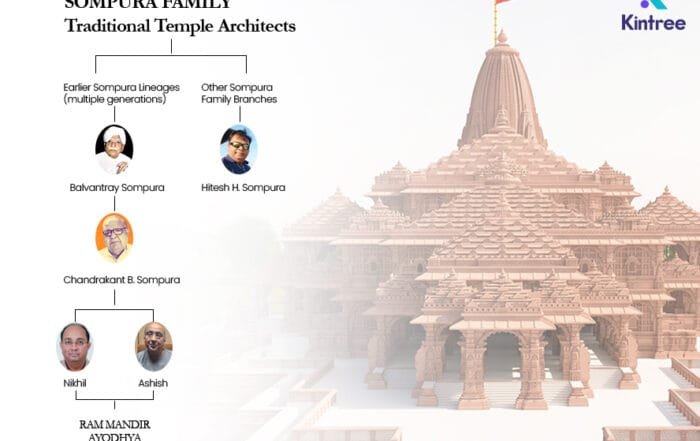
The Sompura Family: 15 Generations of Temple Architecture Behind Ram Mandir
A surname can tell you where a family came from. B....
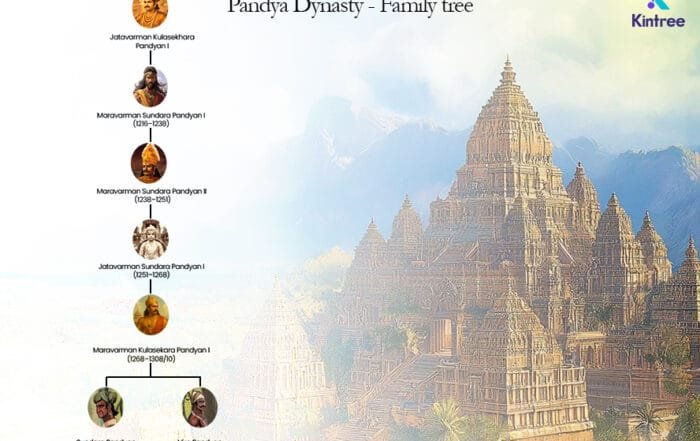
The Pandya Dynasty: Kings, Family Tree and the Story of a Tamil Empire
What makes a dynasty worth remembering?What makes ....