
Why Two People with the Same Surname May Not Be Related?
Why Two People with the Same Surname May Not Be Related?

In India, surnames carry weight. They can suggest community, region, profession, caste history, migration, village roots or ancestral identity. But here is the catch: two people having the same surname does not automatically mean they are related.
Someone named Sharma in Delhi may not share a traceable bloodline with another Sharma in Pune. Two Patels may come from completely different family branches. Two people with the same Khan, Nair, Iyer, Shetty, Das, Reddy or Singh surname may have no recent family connection at all.
That is why understanding your family tree matters. A surname can give you a clue, but it cannot tell the full story. To understand where you truly come from, you need names, relationships, generations, places, memories and family records.
This is where Kintree helps families move beyond assumptions and start preserving real connections.
Surnames Are Clues, Not Proof
A surname is often treated like a shortcut to identity. It can tell people something about your background, but it cannot confirm your ancestry by itself.
Many Indian surnames became common across wide regions because of occupation, social groups, titles, village names, religious identities or administrative usage. For example, some surnames were linked to professions. Some came from ancestral villages. Some were given as titles. Some became common within large communities spread across multiple states.
This means two people may share the same surname because their ancestors belonged to similar communities or professions, not because they came from the same immediate family line. Understanding surname origins is useful, but surname history is only the doorway. The real house is your family record.
Why the Same Surname Can Appear in Different Families?
India’s social and migration history is complex. Families moved for trade, farming, government jobs, marriage, education, military service, religious reasons and business opportunities. Over generations, surnames travelled with them.
Sometimes, the same surname developed separately in different regions. Sometimes, families adopted surnames based on local customs. Sometimes, people changed, shortened, translated or modified surnames over time. In some cases, different communities used the same surname for completely different reasons.
This is why genealogy in India cannot depend only on surname matching. Indian families often need deeper clues such as:
- ancestral village or town
- gotra, kul, clan, or community memory
- names of grandparents and great-grandparents
- migration history
- marriage links
- family stories
- old documents, photos, letters, and records
A surname may start the search, but your family tree confirms the connection.
Why Genealogy in India Needs More Than Memory?
In many Indian homes, family history lives orally. Grandparents remember who married whom, which village the family came from, which uncle moved to another city and which branch stopped staying in touch. But if that knowledge is not recorded, it becomes fragile.
That is why genealogy in India needs both emotion and structure. It is not enough to know that someone shares your surname. You need to know how, when and through whom the connection exists.
This is especially important for families spread across cities, countries, and generations. Younger family members may know their surname, but not the story behind it. They may know their grandparents’ names, but not their great-grandparents. They may recognise relatives at weddings but not understand how they are connected.
A digital family tree helps turn scattered memory into a clear family map.
How Kintree Helps Families Trace Real Connections?
Kintree is designed for families who want to understand and preserve their roots in a simple, visual and secure way. As a free family tree app, it helps you add family members, map relationships, preserve photos, record memories and keep your family history accessible across generations.
Instead of guessing whether someone with the same surname is related, families can build their own verified structure. You can trace parents, grandparents, siblings, cousins, in-laws and extended branches. You can also invite relatives to contribute, making the family record more accurate and complete.
That is what makes Kintree one of the best family tree application options for families who want more than just a surname-based identity. It helps families preserve the actual story behind the name.
Same Surname, Different Story
Two people with the same surname may share community history. They may share regional roots. They may even have ancestors from nearby villages. But that does not automatically make them relatives.
A surname is the label on the cover. Your family tree is the book inside.
To understand your real ancestry, you need to look beyond the surname and trace the people, places, marriages, memories and generations that shaped your family. That is where Kintree becomes valuable. It helps families record what memory alone cannot always protect.
Conclusion
Surnames are powerful, but they are not complete proof of relationship. They can hint at surname origins, community background or regional history, but they cannot confirm family connection without proper genealogical mapping.
In a country as layered as India, understanding family requires more than a shared last name. It requires patience, records, stories and a clear family tree.
With Kintree, families can move beyond assumptions and preserve their real history. Because your surname may tell people what you are called, but your family tree tells you where you truly come from.
Share This Story, Choose Your Platform!
Related Blogs
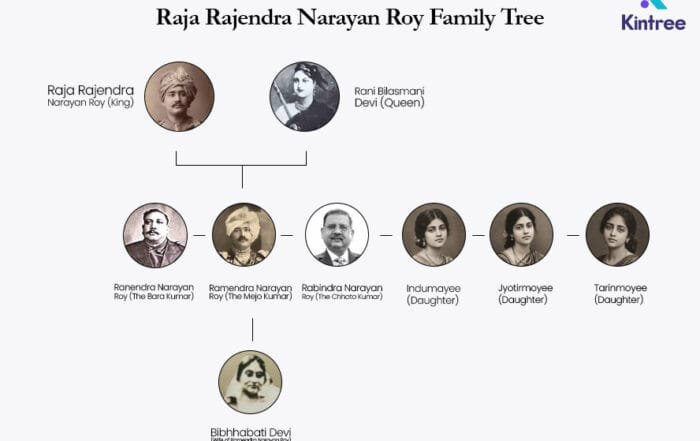
The Prince, the Sannyasi and the Family That Couldn’t Agree
In 1920, people in Dhaka began noticing a sannyasi....
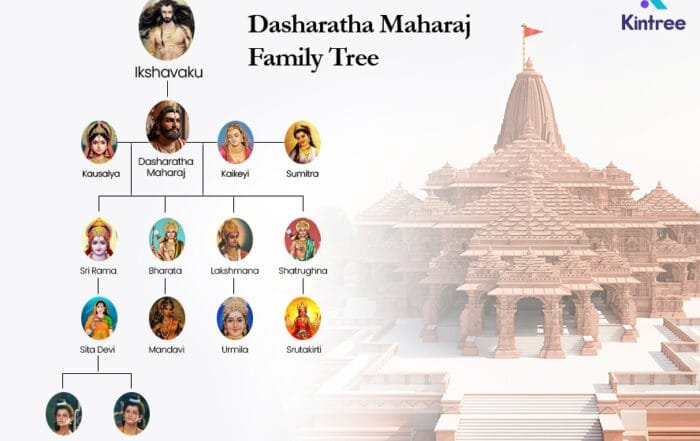
Unveiling the Legacy: Lord Rama and the Ikshvaku Dynasty
Lord Rama's place in the Ramayana is closely conne....
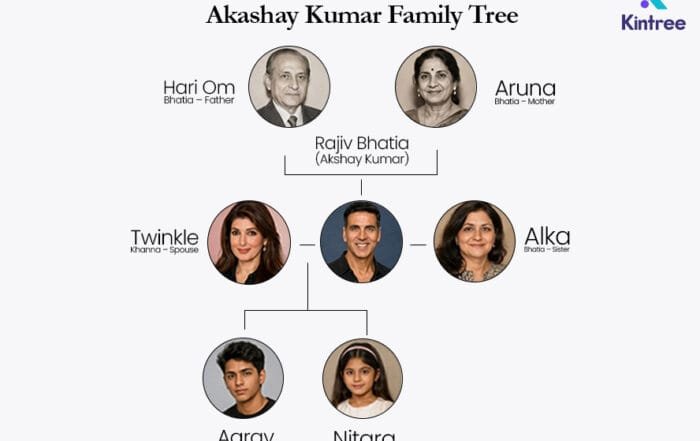
Akshay Kumar Birthday – Bollywood Actor and His Influencing Family
Akshay Kumar is an Indian Actor and Film Producer ....
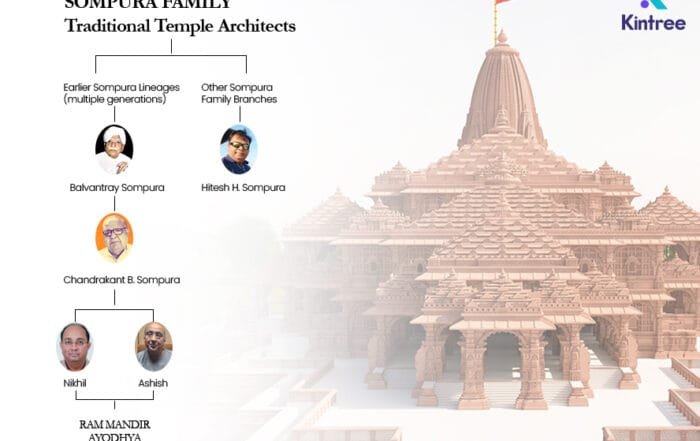
The Sompura Family: 15 Generations of Temple Architecture Behind Ram Mandir
A surname can tell you where a family came from. B....