
One Season, Many Celebrations: Recording Lohri, Pongal & Uttarayan Traditions Across Your Family
One Season, Many Celebrations: Recording Lohri, Pongal & Uttarayan Traditions Across Your Family
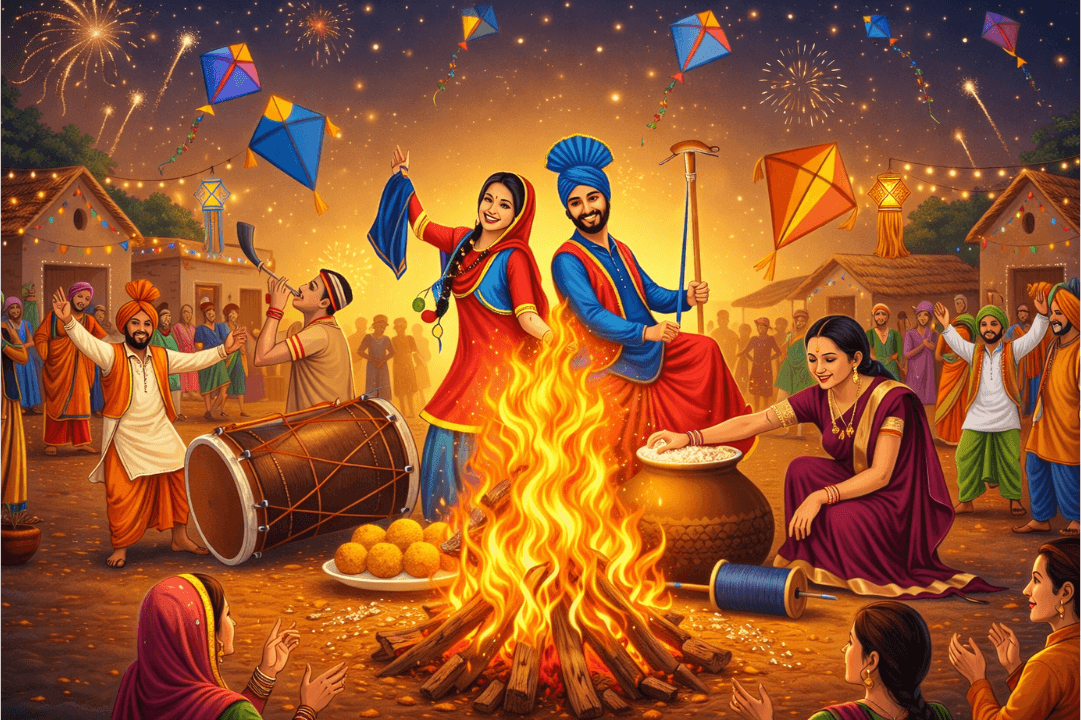
As winter begins to wane in India, a wave of joyous harvest festivals sweeps across the country. The bonfires of Lohri, the overflowing pots of Pongal, and the vibrant kites of Uttarayan—each celebration, rooted in gratitude for the sun and the harvest, brings its own unique flavour to this auspicious season. These are more than just annual events; they are the threads that weave the fabric of our family stories.
Today, a modern family tree builder online offers a powerful way to move beyond names and dates to actively preserve the living culture, personal memories, and unique traditions that make your family’s story truly come alive.
A Tapestry of Traditions
While united in spirit, each festival celebrated across India in mid-January paints a distinct cultural picture.
- Lohri (Punjab, Haryana, and surrounding regions):
– Celebrated on January 13, Lohri is a vibrant festival marking the end of winter.
– The heart of the celebration is the community bonfire, around which families gather to sing folk songs, dance the Bhangra and Gidda and offer peanuts, popcorn and rewri (sesame sweets) to the flames.
– It is considered especially auspicious for new brides and newborns, who are celebrated with special rituals and gifts.
– The traditional feast features sarson ka saag and makki ki roti, honouring the winter harvest.
- Pongal (Tamil Nadu and South India):
– This four-day “thanksgiving” festival honours nature, the Sun God (Surya), and livestock for a bountiful harvest.
– The central ritual is the boiling of the first harvested rice with milk and jaggery in a clay pot until it overflows—a joyous symbol of abundance and prosperity from which the festival gets its name.
– Homes are decorated with colourful Kolam (rangoli) designs.
- Uttarayan (Gujarat):
– Primarily known as the jubilant festival of kites, Uttarayan marks the sun’s northward journey.
– The skies come alive with colourful kites, and the rooftops resonate with cheers during friendly kite-flying competitions.
– It is a powerful occasion for family bonding, often connecting younger generations to their cultural roots through shared activity and stories.
From Rooftops and Bonfires to Your Family Tree
How do you capture the taste of sweet Pongal, the sound of a dhol at a Lohri celebration, or the feeling of a kite string in your hand for future generations? A family tree maker app or online platform like Kintree can be your digital heirloom chest. Here’s how to use it to preserve your festive heritage:
- Create Family “Event” Pages: Don’t just list a birth date. Create a special entry for “Grandma’s 80th Lohri Celebration” or “Our First Uttarayan in Ahmedabad.” Attach the photos from that day—the decorated pot, the flying kites, the family around the fire.
- Attach Recipes and Stories: In your mother’s profile, digitally preserve her handwritten sarson ka saag recipe or record her telling the story of her childhood Pongal celebrations. These personal narratives are the soul of your history.
- Map Your Festive Geography: Note the ancestral villages and towns where your family’s traditions originated. Did your father fly kites in Surat? Did your grandparents celebrate Bhogi in a Tamil Nadu village? Plotting these locations adds a rich layer of understanding to your lineage.
- Collaborate Across Generations: Invite your relatives to contribute their own photos and memories. Your aunt might have a picture from a 1970s Lohri, while your cousin can upload a video of this year’s Pongal pot boiling over. A family tree application turns genealogy into a shared, living family project.
Preserving Your Festival Legacy
Preserving your festival legacy means recording family traditions such as Lohri bonfires and songs, Pongal rituals like the overflowing pot and shared recipes, and Uttarayan kite-flying memories, including special designs and rooftop gatherings. These moments can be preserved by uploading photos and videos, creating albums, attaching recipes, and tagging family members to link memories to their profiles. Festive feasts across celebrations can be saved in a digital family cookbook, while new beginnings—like a newborn’s first festival or a bride’s first celebration—can be marked with photos, notes, blessings, and gifts to enrich your family tree.
Weaving Your Unique Cultural Tapestry
Our family stories are not made only of grand historical events but of these repeated, cherished rituals—the taste of til-gur, the smell of the harvest bonfire, the colourful sky on a bright January afternoon. By using a family tree maker free tool or a dedicated family tree application, you can ensure these intangible treasures are not lost.
This festive season, as you celebrate, take a moment to document. Ask an elder about their memories, save a recipe, or take a group photo. Then, log into your family tree builder online and add that thread to your family’s growing tapestry.
In doing so, you do more than record the past; you gift a sense of identity, belonging, and continuity to generations yet to come.
Share This Story, Choose Your Platform!
Related Blogs
The 1875 Family Tree That Became Evidence in Court
In 1875, Shah Nawaz Din sat down and recorded his ....
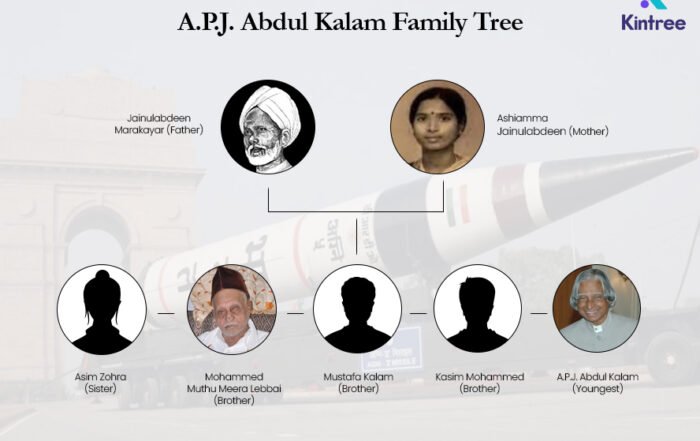
APJ Abdul Kalam Family Tree: The Humble Roots Behind a Remarkable Legacy
Every year on October 15, India remembers Dr. A.P.....
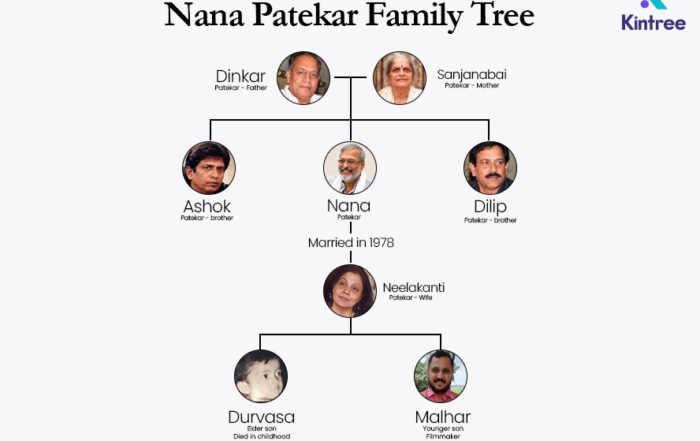
Nana Patekar Beyond Cinema: His Family Tree, Roots and Relationships
Veteran actor Nana Patekar's passing on October 8,....
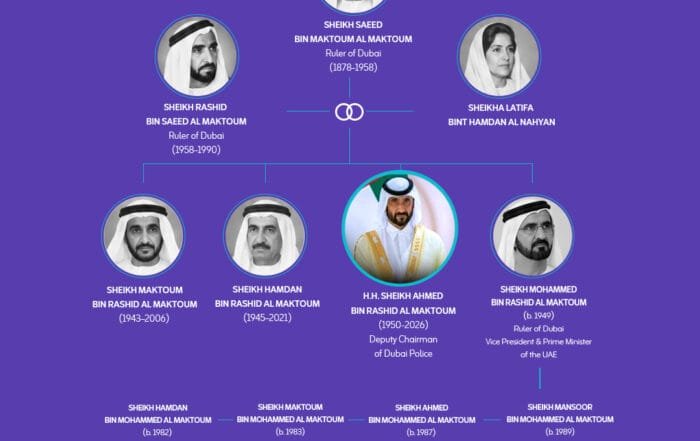
Sheikh Ahmed bin Rashid Al Maktoum: A Life Within the Al Maktoum Family Tree
When Sheikh Mohammed bin Rashid Al Maktoum became ....