
From Kite Strings to Tilgul Laddoos: Capturing Makar Sankranti Memories in Your Family Tree
From Kite Strings to Tilgul Laddoos: Capturing Makar Sankranti Memories in Your Family Tree
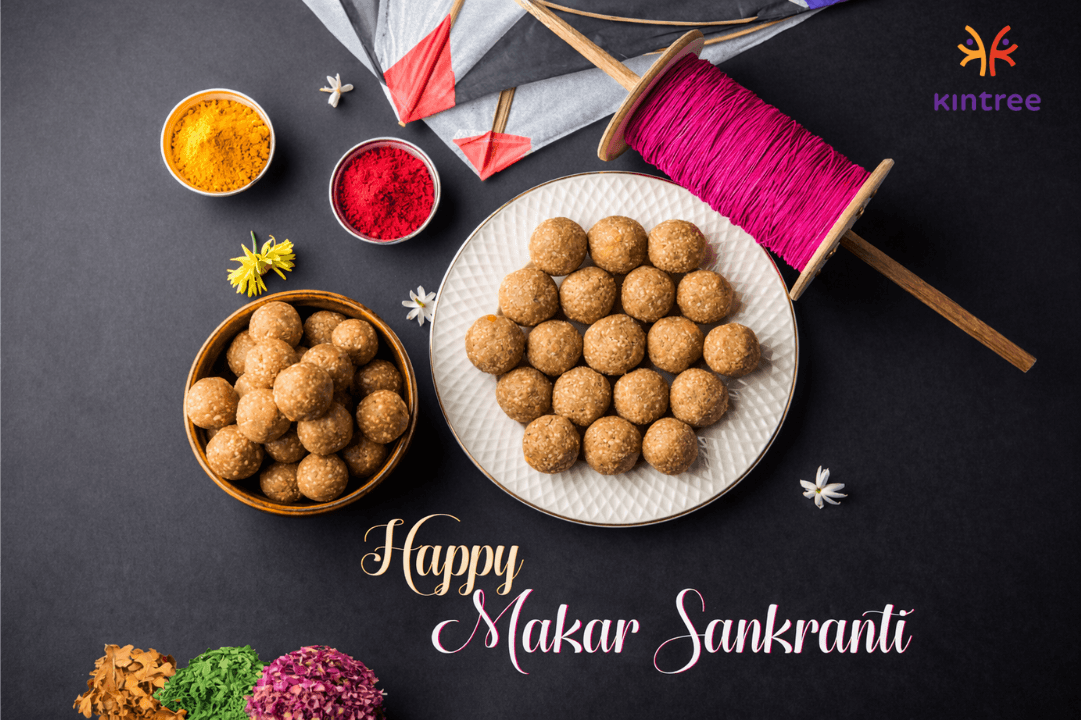
When Sankranti Arrives, So Do the Stories
The first thing you remember is the sound.
A sharp phirrr as a kite string slices the sky. Someone shouts from the terrace next door. Below, the kitchen hums with laughter, the smell of jaggery melting into roasted sesame seeds, and a grandmother reminding everyone—“Tilgul ghya, god god bola.”
Makar Sankranti arrives like this every year—not quietly, not gently, but wrapped in colour, warmth, and memory.
One Festival, Many Homes, Endless Traditions
Across India, Sankranti changes its name and its taste. In Gujarat, rooftops turn into battlefields of flying skill. In Maharashtra, sweet words are exchanged along with tilgul. In Punjab, Lohri bonfires crackle with shared hopes. In Bengal, kitchens overflow with laughter as pithe experiments go hilariously wrong.
Years pass. Cities change. People move away. Yet Sankranti still feels familiar—because it lives not in calendars, but in families.
Why Family Trees Need Stories, Not Just Dates
Most family trees begin with names and timelines. A grandfather’s birth year. A marriage date neatly recorded. But your family’s real history isn’t hidden in numbers. It lives in the uncle who never lost a kite battle, the aunt whose tilgul laddoos were “famous,” and the cousins who raced through neighbourhoods during Ellu Birodhu.
These stories explain who your ancestors were, not just when they existed.
Turning Sankranti Memories into a Living Legacy
Imagine opening your family tree years from now and finding more than just names. You discover a photo of an old paper kite saved for decades. A note beside it reads, “My first Sankranti win, 1982.”
You tap on your grandmother’s profile and hear her voice explaining why sesame and jaggery are shared—to sweeten speech and heal relationships. A cousin uploads a blurry Lohri bonfire photo, while another adds the family Panjeri recipe, reigniting an old debate about the right ingredients.
This is how memories stay alive.
How Kintree Becomes Your Family’s Digital Heirloom
A modern, intuitive family tree builder free like Kintree makes this possible. It begins as a simple family tree builder online, but slowly becomes something deeper—a private space where generations meet.
Photos, stories, voice notes, recipes, and shared moments come together on individual profiles. Family members from different cities and countries can contribute, turning a static chart into a living, breathing family narrative.
Starting Small, Preserving Forever
You don’t need every detail perfectly mapped to begin. One story is enough. One memory shared over tilgul or while flying a kite can become the first thread in your family’s tapestry.
This Makar Sankranti, listen closely—to elders reminiscing, to children asking questions, to laughter echoing through familiar rituals. These moments are fleeting unless captured.
A Legacy Written in Sunlight and Stories
Use Kintree not just as a family tree creator, but as a digital heirloom—a secure, collaborative space where your family’s past is preserved with warmth and meaning.
Because a family’s legacy isn’t written in stone.
It’s written in stories, recipes, laughter—and the golden glow of a thousand sunlit Sankrantis.
Share This Story, Choose Your Platform!
Related Blogs
The 1875 Family Tree That Became Evidence in Court
In 1875, Shah Nawaz Din sat down and recorded his ....
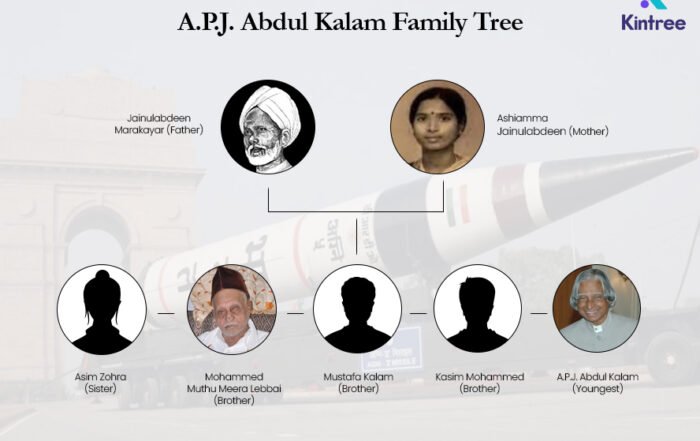
APJ Abdul Kalam Family Tree: The Humble Roots Behind a Remarkable Legacy
Every year on October 15, India remembers Dr. A.P.....
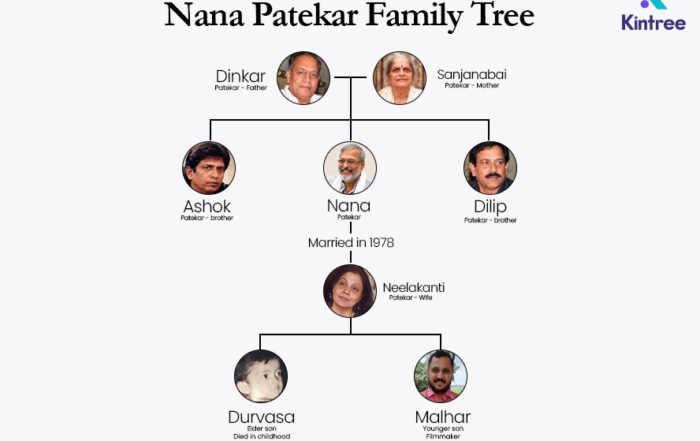
Nana Patekar Beyond Cinema: His Family Tree, Roots and Relationships
Veteran actor Nana Patekar's passing on October 8,....
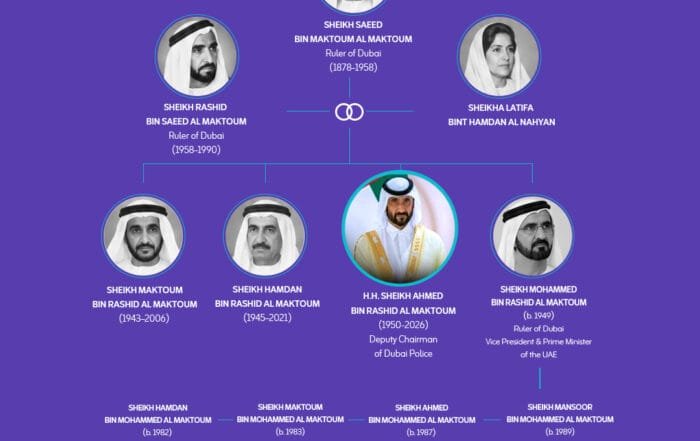
Sheikh Ahmed bin Rashid Al Maktoum: A Life Within the Al Maktoum Family Tree
When Sheikh Mohammed bin Rashid Al Maktoum became ....